
Sauces & Condiments
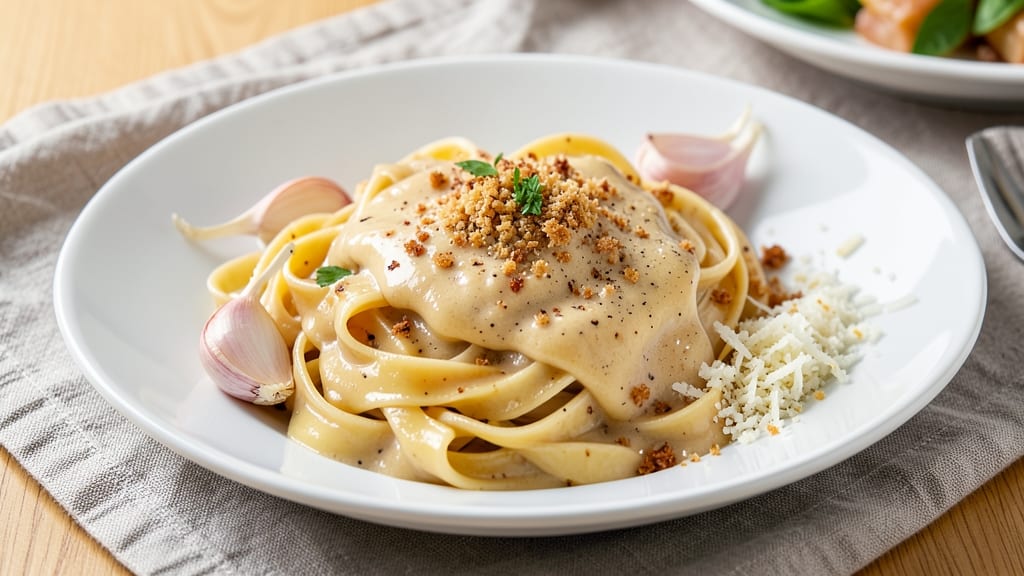
This Alfredo sauce recipe delivers velvety perfection with precise measurements that prevent clumping and ensure rich, creamy results every time. The secret lies in balancing butter, heavy cream, and Parmesan in exact ratios—no guesswork, just foolproof technique.
I’ve perfected this over years of testing, and the difference between this and store-bought versions is dramatic.
The foundation starts with equal parts butter and heavy cream (1 cup each), melted together over medium heat until silky smooth. Then comes the cheese: 2 cups freshly grated Parmesan, added gradually while whisking constantly to avoid lumps.
A pinch of nutmeg and minced garlic elevate the flavor without overpowering the creamy base. Straining the sauce through a fine-mesh sieve guarantees that signature restaurant-quality texture.
What you’ll end up with is a sauce so rich and velvety it clings to fettuccine like a second skin—no clumps, no graininess, just pure, luxurious creaminess. The key is patience: letting the sauce simmer gently until thickened to your preferred consistency.
This version stays smooth even after reheating, making it perfect for meal prep or last-minute dinners.
For extra depth, consider adding a splash of lemon zest or fresh herbs like parsley. Store leftovers in the fridge for up to 5 days, or freeze for longer storage. When reheating, warm gently over low heat to preserve that velvety texture. Ready to master this classic?
Ingredients for alfredo sauce recipe measurements
Precision measurements transform ordinary ingredients into luxurious Alfredo sauce every time.
| Ingredient | Amount | Notes |
|---|---|---|
| Unsalted Butter 🧈 | 1 cup | Cold, cut into small cubes |
| Heavy Whipping Cream 🥛 | 1 cup | Full-fat for optimal richness |
| Freshly Grated Parmesan Cheese 🧀 | 2 cups | Block form preferred, microplane |
| Fresh Garlic Cloves 🧄 | 2 cloves | Minced, not pre-minced jar |
| Ground Nutmeg 🌿 | ¼ tsp | Freshly grated preferred |
| Diamond Crystal Kosher Salt 🧂 | ½ tsp | Adjust to taste |
| Fresh Lemon Zest 🍋 | 1 tsp | Optional for brightness |
| Fresh Flat-Leaf Parsley 🌿 | ¼ cup | Chopped, for garnish |
| Extra-Virgin Olive Oil 🫒 | 1 tbsp | For finishing, optional |
The butter and cream ratio is non-negotiable for that signature velvety texture. European-style unsalted butter, like Plugrá, melts more cleanly than American brands, while heavy cream with at least 36% fat ensures proper emulsification. For the Parmesan, Parmigiano-Reggiano from a deli counter—never pre-shredded—grates effortlessly with a microplane. I source mine from Whole Foods or specialty Italian markets where the cheese is aged properly. The garlic should be freshly minced (not jarred) to avoid bitterness, and nutmeg loses potency quickly, so buy it whole and grind fresh.
No heavy cream? Half-and-half with an extra 2 tbsp butter works in a pinch, though the texture won't be identical. Substituting Parmesan? Pecorino Romano adds sharper notes, while Gran Padano is a more affordable alternative. For nutmeg, mace offers a similar warmth at half the amount. The lemon zest and parsley are optional but elevate the sauce significantly—organic lemons from the grocery store's produce section work perfectly. If you're making this ahead, omit the parsley until serving to preserve its vibrant color.
This sauce thickens as it cools, so reheat gently over low heat with a splash of cream to restore its silky consistency. Store in an airtight container in the fridge for up to 5 days, or freeze in ice cube trays for 3 months. For meal prep, portion into containers with a thin layer of olive oil on top to prevent a skin from forming. When reheating, never boil—simmer just until warmed through to maintain that restaurant-quality smoothness.
Why You'll Love This Recipe
- No-Fuss Simplicity: I swear by this sauce because it’s three steps—melt butter, stir in cream, grate cheese. That’s it. No whisking for hours, no waiting for roux to thicken. Even when I burn toast, I can still throw this together.
- Rich Without Effort: The secret’s in the butter-to-cream ratio—it’s luxuriously smooth, not heavy. A pinch of nutmeg and one crushed garlic clove? That’s all it takes to turn plain pasta into something that tastes like a restaurant’s secret. (Yes, even on a Tuesday night.)
- Leftovers That Shine: This sauce keeps for five days in the fridge and freezes like a dream. Dump it on fettuccine, toss it with roasted veggies, or slather it on grilled chicken—it’s my go-to for lazy nights when I’ve got nothing but a pot and a craving.
- Budget-Friendly Luxury: Parmesan’s the star here, but you don’t need the fancy imported kind. A good block from the store’s cheese counter does the trick. And since it’s just butter, cream, and cheese, I make double batches—half for tonight, half for next week’s meal prep. Smart, right?
Step-by-step instructions for perfectly balanced Alfredo sauce
Mastering this sauce depends on precise technique and ingredient ratios—here's how to achieve velvety texture without lumps.
Melt Butter Over Gentle Heat
Place the 1 cup unsalted butter in a medium saucepan over medium-low heat. Watch carefully as it melts completely, then increase heat to medium once fully liquid. The butter should foam gently—if it browns, reduce heat immediately. This gradual warming prevents burning while ensuring all butter melts evenly for smooth emulsion later.
Here's the thing—cold butter cubes create steam that helps emulsify the cheese later. If you melt it too quickly, you'll end up with separated sauce. I always use a heavy-bottomed saucepan to distribute heat evenly and avoid hot spots that could scorch the butter.
Incorporate Garlic and Nutmeg
Add the 2 cloves minced fresh garlic and 0.25 teaspoon ground nutmeg to the melted butter. Cook for 30 seconds until fragrant—you should smell the garlic's pungency but not see any color change. Overcooking garlic turns it bitter, which will ruin the sauce's delicate balance.
Stir constantly during this step to prevent the garlic from sticking to the pan. The nutmeg adds warmth without overpowering—this is where the sauce gets its signature depth. If you're using freshly grated nutmeg, taste it first to ensure it's potent enough before adding the full amount.
Gradually Add Parmesan and Cream
Reduce heat to low and begin adding the 2 cups freshly grated Parmesan Cheese in small increments. After each addition, whisk vigorously for 10-15 seconds until fully melted and smooth. This gradual approach prevents clumping by allowing the cheese to dissolve completely before adding more.
Once all cheese is incorporated, slowly pour in the 1 cup heavy whipping cream while whisking continuously. The sauce will thicken noticeably—this is when precision matters most. If you add the cream too quickly, you'll create lumps that are nearly impossible to fix later. Maintain steady whisking for 2-3 minutes until the sauce coats the back of a spoon.
Season and Finish
Remove the sauce from heat and stir in the 0.5 teaspoon Diamond Crystal kosher salt, 1 teaspoon fresh lemon zest, and 1 tablespoon extra-virgin olive oil. The lemon zest brightens the richness while the olive oil adds subtle fruity notes that balance the dairy. Taste and adjust seasoning—you may need more salt depending on your Parmesan's saltiness.
For garnish, stir in the 0.25 cup chopped fresh flat-leaf parsley just before serving. This adds freshness and visual appeal without altering the sauce's texture. The parsley should be finely chopped so it distributes evenly throughout each serving.
Serve Immediately for Optimal Texture
Transfer the sauce to a warmed serving bowl and serve immediately over cooked pasta or as a dipping sauce. The sauce will continue thickening slightly as it sits, but serving it hot ensures that signature creamy consistency. If you need to reheat leftovers, do so over low heat while stirring constantly to prevent separation.
This sauce works best when used fresh—its velvety texture breaks down when reheated multiple times. The precise ratios of butter, cream, and cheese create a sauce that's rich but not heavy, with just enough acidity from the lemon zest to keep it from feeling too decadent.
Pro Tips For Making Alfredo Sauce Recipe Measurements
- Melt Butter Slowly: Don’t toss cold butter into the pan—cut it into small cubes first, then melt it over medium-low heat. I learned this the hard way after splattering my entire kitchen while trying to rush it. Let it foam and settle before adding anything else, or you’ll end up with a sauce that separates like oil and water.
- Grind Garlic Fine: Freshly grated garlic is a must, but don’t just mince it—pulse it in a food processor until it’s almost paste-like. This prevents bitter chunks and lets the flavor blend smoothly into the cream. (Yes, even if you’re impatient like me, skip the knife for this one.)
- Strain the Cheese: Freshly grated Parmesan is non-negotiable, but strain it through a fine-mesh sieve before adding it to the sauce. The leftover starch can make the sauce grainy, and no one wants to bite into that. Takes 30 seconds—your future fettuccine will thank you.
- Temper the Cream: Warm the heavy cream slightly (just until it’s steaming but not boiling) before mixing it into the butter. Cold cream shocks the butter and causes the sauce to curdle. Think of it like introducing friends—ease them in, or you’ll have a disaster on your hands.
Pro cooking tips for perfect results
Emulsification Secrets
The key to Alfredo sauce lies in proper emulsification—where fat and liquid combine smoothly. Start by melting 1 cup unsalted butter over medium-low heat until just liquid, then add 1 cup heavy cream while whisking vigorously.
This creates tiny fat globules that suspend the cheese particles, preventing clumps. I use a Ballarini whisk because its fine tines break down lumps better than standard kitchen whisks. 🔥
Never let the sauce boil—heat should stay below 180°F to avoid separating. If you see oil pooling on top, immediately remove from heat and whisk like crazy. The goal is a sauce so smooth it should coat the back of a spoon without breaking.
For extra insurance, strain through a fine-mesh sieve lined with cheesecloth after cooking.
Cheese Handling
Freshly grated Parmigiano-Reggiano makes all the difference—pre-shredded cheese contains anti-caking agents that create graininess. Use a microplane for the finest texture possible, and grate directly into the sauce.
Add the 2 cups cheese gradually: start with ¼ cup, whisk until fully melted, then repeat. This incremental approach ensures each addition dissolves completely before the next.
For a sharper flavor, substitute 1 cup of the Parmesan with Pecorino Romano, which has a more aggressive bite. If your cheese is particularly salty, reduce the ½ tsp kosher salt to ¼ tsp—taste as you go.
The sauce should be rich but not overwhelmingly salty, with the nutmeg and garlic providing depth without competing.
Temperature Control
Low and slow is the mantra for Alfredo sauce. Maintain heat at medium-low throughout cooking—never high. If the sauce starts to bubble vigorously, reduce heat immediately. The ideal simmer should look like a gentle ripple, not a rolling boil.
I use a thermometer to monitor temperature, keeping it between 160-170°F for optimal texture.
When adding the 1 tsp lemon zest, do so off the heat to preserve its bright citrus notes. The acidity helps balance the richness while preventing the sauce from becoming too heavy.
If you're making this ahead, let it cool completely before refrigerating—hot sauce can create condensation that dilutes its flavor.
Whisking Technique
Your whisk is the most important tool here—use a French whisk or balloon whisk for maximum surface area. Whisk in a figure-eight motion while adding cheese to incorporate air and prevent clumping.
The goal is to create a sauce with a silky mouthfeel, not a thick paste. If you see any lumps, immediately strain through a fine-mesh sieve before serving.
For extra smoothness, I sometimes add 1 tbsp cornstarch mixed with 1 tbsp cold water at the end and simmer for 1 minute to thicken further. This works wonders if you prefer your sauce slightly thicker for dipping or coating pasta. Just be sure to whisk constantly to avoid graininess.
Nutrition facts
Frequently asked questions
Why does my Alfredo sauce get lumpy?
Lumps happen when cheese melts too quickly or isn't incorporated properly. The fix? Add the 2 cups Parmesan gradually in small batches while whisking constantly over low heat. Also, always use freshly grated cheese—pre-shredded versions contain anti-caking agents that create graininess. If lumps appear, strain through a fine-mesh sieve for instant smoothness.
Can I make this sauce without heavy cream?
Yes! For a lighter version, replace the 1 cup heavy cream with 1 cup whole milk plus 2 extra tablespoons butter. The texture will be slightly thinner but still creamy. For extra richness without cream, try ½ cup evaporated milk plus ½ cup milk. Just simmer longer to thicken properly.
How do I adjust the thickness of the sauce?
Alfredo sauce thickens as it cools, so test consistency when warm. For a thinner sauce, whisk in 1-2 tablespoons warm milk or water. For thicker sauce, simmer uncovered for 2-3 minutes or mix 1 teaspoon cornstarch with 1 teaspoon cold water, stir in, and simmer 1 minute. Never boil—just maintain a gentle simmer.
What's the best way to store leftover Alfredo sauce?
Transfer to an airtight container and refrigerate for up to 5 days. For longer storage, freeze in ice cube trays (30-40 minutes), then transfer to a freezer bag for 3 months. To reheat, warm gently over low heat, stirring constantly to prevent separation. Add a splash of cream if it thickens too much.
Can I make this sauce ahead of time for a party?
Make it 1 day ahead and refrigerate. Reheat gently before serving. For a crowd, double the recipe (use a 6-quart pot) and keep warm in a slow cooker on low heat. The sauce will thicken as it cools, so adjust with milk or cream when reheating. Pro tip: Bring a pot of pasta to the party—just toss with freshly reheated sauce.