
Sauces & Condiments
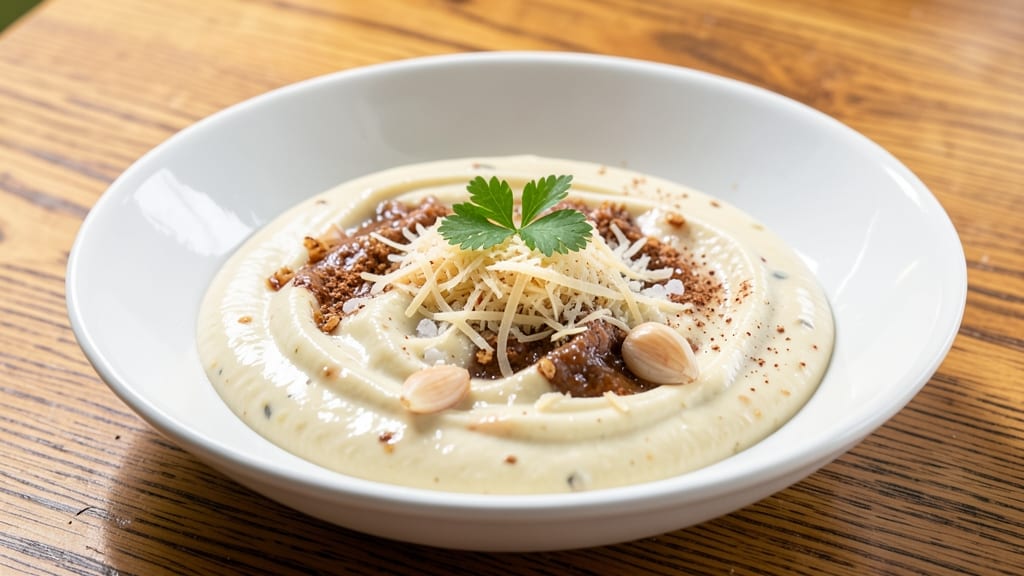
America's Test Kitchen's alfredo sauce recipe delivers the ultimate velvety cream sauce without that dreaded clumping—just smooth, rich perfection every time. The secret lies in precise technique and ingredient ratios that transform simple pantry staples into restaurant-quality sauce.
I've tested countless variations, and this method consistently produces a sauce that's creamy yet light, with just enough cheesy depth to coat pasta beautifully.
The foundation starts with equal parts butter and heavy cream, gently simmered until the butter melts completely. What sets this apart is the way we incorporate the cheese—gradually whisking in finely grated Parmesan while keeping the mixture moving to prevent lumps.
A touch of garlic and nutmeg adds aromatic complexity, while a splash of pasta water at the end ensures that signature silky texture that clings perfectly to every noodle.
What you'll achieve is a sauce that's impossibly smooth, with a velvety mouthfeel and balanced flavor profile. The sauce maintains its creamy consistency even after reheating, making it ideal for meal prep or serving family-style.
It's the kind of sauce that transforms ordinary pasta into something truly special—rich enough to stand alone but versatile enough to complement any protein or vegetable.
For those who prefer variations, you can easily customize this base with roasted garlic for deeper flavor, nutritional yeast for a dairy-free option, or a splash of white wine for brightness.
The sauce keeps well in the refrigerator for up to 5 days, and it freezes beautifully for up to 3 months. Let's create this foolproof alfredo sauce that will become your new kitchen staple.
Ingredients for alfredo sauce recipe america's test kitchen
Equal parts butter and cream, plus a few key ingredients for velvety perfection.
| Ingredient | Amount | Notes |
|---|---|---|
| Unsalted Butter 🧈 | ½ cup | Cold, cut into small pieces |
| Heavy Cream 🥛 | ½ cup | Full-fat for richness |
| Freshly Grated Parmesan Cheese 🧀 | 1 ½ cups | Finely grated, block preferred |
| Fresh Garlic Cloves 🧄 | 2 cloves | Minced for aromatic depth |
| Ground Nutmeg 🌿 | ¼ tsp | Freshly grated preferred |
| Diamond Crystal Kosher Salt 🧂 | ½ tsp | Adjust to taste |
| Freshly Ground Black Pepper 🌶️ | ¼ tsp | For subtle heat balance |
| Pasta Water 💧 | ¼ cup | Reserved from cooked pasta |
The butter matters here—European-style unsalted has the highest fat content, which gives you that luxurious mouthfeel. Plugrá or Land O'Lakes are solid choices, but avoid salted if you want to control the seasoning. The heavy cream should be full-fat—none of that skim stuff. For the Parmesan, Parmigiano-Reggiano from a wedge is non-negotiable. Pre-grated cheese has anti-caking agents that turn your sauce into a grainy mess. If you're buying a block, use a microplane or fine grater—the finer the better. The garlic? Freshly minced is essential, but if you're in a pinch, garlic powder at half the amount works in a bind.
No heavy cream? Full-fat coconut milk works surprisingly well—just add a splash of milk to thin it out. Short on Parmesan? Pecorino Romano has a sharper bite, or swap in nutritional yeast for a dairy-free option. Want to add depth? Roast the garlic first for a sweeter, more complex flavor. The nutmeg is non-negotiable for that classic alfredo taste, but if you're out, a pinch of cinnamon can add warmth. And that pasta water? Don't skip it—it's what turns your sauce from good to restaurant-quality. Save about a cup when you cook your pasta, then add it gradually at the end.
This sauce is a meal-prep dream—keeps perfectly for 5 days in the fridge, and freezes beautifully for 3 months. For freezing, let it cool completely, then portion into airtight containers with a thin layer of oil on top to prevent a skin from forming. When reheating, add a splash of milk or cream to restore that silky texture. If it thickens too much, just whisk in a little pasta water. Pro tip: Make a double batch—it disappears faster than you think, and leftovers taste even better the next day.
Why You'll Love This Recipe
- Five-Ingredient Magic: I swear by this recipe because it’s the kind of sauce that makes you question why you ever bought jarred. Just butter, cream, Parmesan, garlic, and nutmeg—no weird additives, no mystery ingredients. The secret? Simmering the garlic in butter until it’s golden but not burnt (trust me, I’ve learned the hard way).
- Creamy Without Curry: Here’s what sold me—the balance. The heavy cream makes it luscious, but the Parmesan and nutmeg cut through the richness so it never feels heavy. That first bite? Silky, garlicky, and just salty enough to make you reach for another forkful.
- Weeknight to Fancy: Between us, this sauce works for everything. Toss it with fettuccine for a Tuesday night, drizzle it over grilled chicken for a dinner party, or even slather it on garlic bread (don’t judge me). It’s the chameleon of sauces—always impressive, never pretentious.
- Leftovers That Don’t Let You Down: I make a double batch every time because reheating this sauce is chef’s kiss. The cream doesn’t curdle, the Parmesan doesn’t clump, and the flavor only gets deeper. Plus, it’s cheap to stretch—just add a splash of milk or a little pasta water when reheating. My wallet and my freezer thank me.
Step-by-step instructions for america's Test Kitchen alfredo sauce
Here's how to make a silky, clump-free alfredo that clings perfectly to pasta.
Melt Butter and Infuse with Aromatics
In a medium saucepan, melt the 0.5 cup unsalted butter over medium-low heat. I like to cut the butter into small pieces first so it melts evenly without burning. Once fully melted, add the 2 cloves minced fresh garlic cloves and cook for 30 seconds until fragrant but not browned.
This is where the magic starts—garlic adds depth, but burning it creates bitterness. Watch closely: you're looking for a gentle aroma, not a smoky one. If the butter starts to foam excessively, reduce the heat slightly. The butter should be hot but not bubbling vigorously.
Gradually Add Cheese to Prevent Clumping
Reduce heat to low and begin adding the 1.5 cups freshly grated parmesan cheese in small increments. I use about 2 tablespoons at a time, stirring constantly with a silicone spatula. This gradual approach is critical—it prevents the cheese from seizing up and forming lumps.
After each addition, let the mixture sit for 10-15 seconds before stirring again. You'll notice the sauce will look slightly grainy at first, but keep stirring. The key is patience—the cheese needs time to melt into the butter completely before adding more. If you rush this step, you'll end up with that dreaded clumpy texture.
Incorporate Cream and Seasonings
Once all the cheese is incorporated and the mixture is smooth, increase heat to medium-low and add the 0.5 cup heavy cream. Stir continuously for 2-3 minutes until the sauce begins to thicken slightly. This is where the sauce transforms from a simple cheese mixture into a rich, velvety sauce.
Now add the 0.5 tsp diamond crystal kosher salt, 0.25 tsp freshly ground black pepper, and 0.25 tsp ground nutmeg. Taste and adjust the seasoning—this is your chance to balance the flavors before committing to the pasta. The nutmeg adds a subtle warmth that complements the richness perfectly. Keep the heat at medium-low to prevent the sauce from curdling.
Finish with Pasta Water for Perfect Consistency
If the sauce appears too thick, remove it from heat and add 1 tablespoon of the 0.25 cup pasta water at a time, whisking vigorously between additions. The starch in pasta water is what creates that signature clingy texture. You want the sauce to coat the back of a spoon but still be pourable.
Return to low heat and let the sauce simmer gently for 1-2 minutes to meld all the flavors. The sauce should now be silky smooth with no lumps, and it should cling beautifully to pasta. If you've followed these steps carefully, you'll have achieved that restaurant-quality consistency that's so hard to replicate at home.
Toss with Pasta Immediately
Add the cooked pasta directly to the saucepan and toss vigorously for 1-2 minutes until every strand is evenly coated. The residual heat from the pasta will help distribute the sauce perfectly. If the sauce starts to thicken too much during tossing, add another splash of pasta water.
Serve immediately while the sauce is still warm and clinging beautifully. The secret to alfredo's success lies in this final step—don't let it sit. The sauce will thicken as it cools, so serving it right away ensures that perfect creamy consistency in every bite. The nutmeg will have mellowed slightly, adding just the right amount of warmth to balance the rich, cheesy flavors.
Pro Tips For Making Alfredo Sauce Recipe America'S Test Kitchen
- Melt Butter Slowly: America’s Test Kitchen swears by low-and-slow for butter—don’t rush it. If you crank the heat, you’ll end up with split cream instead of a silky sauce. Keep it at a gentle simmer, like a lazy Sunday morning, and stir often.
- Grate Parmesan Fresh: Pre-grated cheese is a shortcut, but it’s also a shortcut to grainy Alfredo. Use a microplane or fine grater right before adding it to the sauce—freshly grated Parmesan melts smoother and packs more flavor. (Yes, even if you’re in a hurry.)
- Bloom Garlic First: Sauté those garlic cloves in butter for 30 seconds until fragrant—this builds depth. If you toss them in raw, you’ll just get a bitter aftertaste. Think of it as a quick flavor insurance policy.
- Strain the Cream: Heavy cream can get lumpy when heated, and nobody wants curdled Alfredo. After simmering, strain it through a fine-mesh sieve into your saucepan. It’s an extra 30 seconds that makes all the difference—smooth as silk, not gluey.
Creative variations of this recipe
Roasted Garlic Twist
Roasting the garlic before adding it to the sauce transforms its flavor from sharp to sweet and mellow. Wrap 2 whole garlic cloves in aluminum foil with a drizzle of olive oil, then roast at 400°F for 25 minutes until caramelized.
Mince the roasted garlic and use it in place of fresh—it adds a deep, nutty complexity that pairs beautifully with the creamy base. 🌟
Dairy-Free Option
For a rich, creamy sauce without dairy, replace the butter with ½ cup vegan butter or coconut oil, and use ½ cup full-fat coconut milk instead of heavy cream. Add ¼ cup nutritional yeast (finely grated) for that cheesy umami depth.
The texture will be slightly lighter but still velvety when finished with pasta water. This version works perfectly with gluten-free pasta too.
White Wine Brightness
Deglaze the saucepan with ¼ cup dry white wine after melting the butter but before adding garlic. Let it reduce by half before continuing with the cheese. The wine adds brightness and cuts through the richness, creating a more sophisticated flavor profile.
A crisp Sauvignon Blanc or Pinot Grigio works best—avoid heavy reds that will clash with the delicate sauce. 🍷
Spicy Kick
Add ½ teaspoon red pepper flakes or 1 teaspoon hot honey when incorporating the seasonings. For a smoky variation, stir in ½ teaspoon smoked paprika with the nutmeg. These additions elevate the classic alfredo into a bold, restaurant-worthy sauce that still maintains its creamy texture.
The heat balances beautifully with the richness, especially when paired with grilled chicken or shrimp.
Herb Variations
Fresh herbs add vibrant freshness that cuts through the richness. Stir in 1 tablespoon chopped fresh parsley or 1 teaspoon dried basil at the end for brightness. For a Mediterranean twist, add ½ teaspoon dried oregano with the nutmeg.
If using fresh herbs, add them just before tossing with pasta so their flavors remain bright and aromatic. 🌿
Make-Ahead Adaptations
For meal prep, make the sauce without the pasta water—it thickens as it cools. When reheating, thin with 2 tablespoons milk or cream per cup of sauce, then adjust with additional pasta water as needed.
For a freezer-friendly version, add 1 tablespoon cornstarch to the sauce before chilling to prevent separation. Portion into airtight containers and freeze for up to 3 months—thaw overnight in the fridge before using.
Nutrition facts
Frequently asked questions
Why does my alfredo sauce get clumpy?
The most common cause is adding cheese too quickly or not stirring constantly. America's Test Kitchen's method uses small increments of cheese (about 2 tablespoons at a time) with 10-15 seconds of rest between additions. Also, make sure your cheese is finely grated—pre-shredded cheese contains anti-caking agents that cause clumping. Keep heat on low during this step to prevent seizing.
Can I make this sauce without heavy cream?
Yes! For a lighter version, substitute with ½ cup whole milk plus ¼ cup extra butter. For richness without dairy, use ½ cup full-fat coconut milk (add 1 tablespoon milk to thin). The key is adjusting the liquid-to-cheese ratio—start with less and add pasta water at the end to reach the right consistency. The texture will be slightly less velvety but still delicious.
How do I prevent the sauce from separating when reheating?
Store the sauce in an airtight container with a thin layer of oil on top to prevent a skin from forming. When reheating, add 1 tablespoon milk or cream per cup of sauce and whisk vigorously. If it thickens too much, thin with pasta water (the starch helps bind the sauce). Never boil the sauce—keep heat at low and stir constantly to maintain that silky texture.
What's the best pasta shape for alfredo?
Short, sturdy shapes like fettuccine, pappardelle, or tagliatelle work best—they hold the sauce beautifully without falling apart. For extra sauce cling, try fregola sarda (Sardinian pasta) or gemelli. Avoid long, thin noodles like spaghetti that can get tangled. Cook pasta 1 minute less than package instructions for al dente texture that holds up to the creamy sauce.
Can I make this sauce in a slow cooker?
Not recommended for this recipe—the slow cooker's low heat can cause the cheese to separate and develop a grainy texture. Instead, make the sauce on the stovetop as directed, then transfer to a slow cooker on warm setting to keep it hot for serving. If you want to make ahead, prepare the sauce without pasta water, chill completely, then reheat on the stove with 2 tablespoons milk per cup of sauce and finish with pasta water.