
Sauces & Condiments
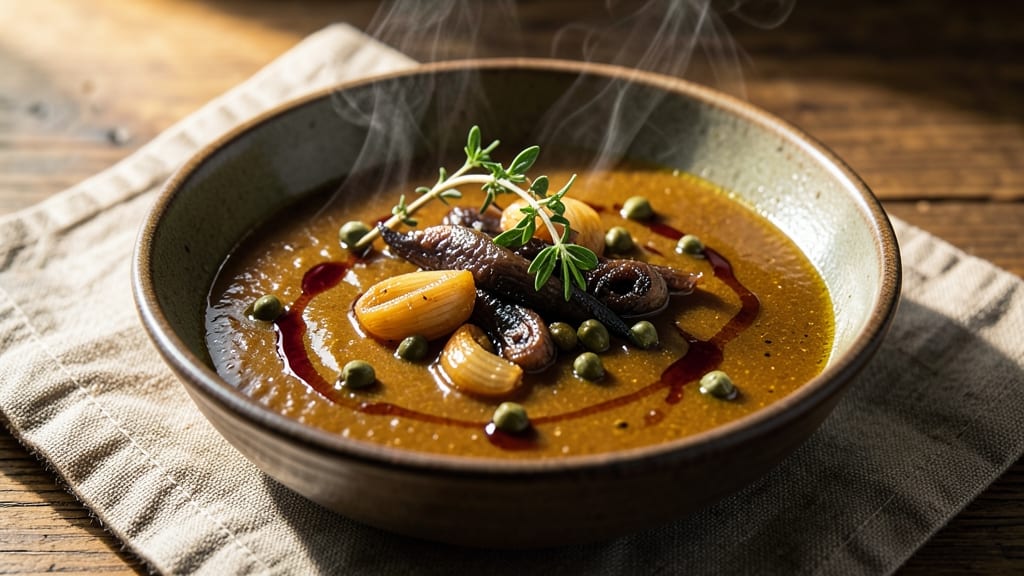
This ale sauce recipe transforms simple grilling into a flavor adventure with its deep maltiness and caramel undertones. The secret lies in simmering brown ale with vinegar, anchovies, and capers—creating a sauce that's rich yet balanced, with just enough tang to cut through grease.
I developed this version after years of experimenting with traditional British pub sauces, perfecting the blend of sweet, savory, and umami notes that make it irresistible.
The beauty of this sauce is its versatility—it elevates everything from crispy fish and chips to roasted vegetables or even as a glaze for grilled meats. The process is straightforward: simmer the ingredients until reduced, then blend for a smooth, velvety texture.
No fancy equipment needed, just patience and a few pantry staples. What you’ll end up with is a sauce that’s bold enough to stand alone but flexible enough to complement any dish.
What sets this ale sauce apart is its depth of flavor—the caramelized malt from the brown ale combines with the briny notes of anchovies and capers, while the vinegar adds a bright acidity.
The result is a sauce that’s complex yet approachable, perfect for both weeknight dinners and special occasions. Once you taste it, you’ll never go back to store-bought versions.
Store it in the refrigerator for up to two weeks, or freeze for longer shelf life—this sauce only gets better with time as the flavors meld. Whether you’re dipping, drizzling, or basting, it’s a game-changer for any meal. Let’s get started!
Ingredients for ale sauce
Nine ingredients blend into a sauce that's rich, tangy, and packed with umami depth.
| Ingredient | Amount | Notes |
|---|---|---|
| Brown Ale 🍺 | 1 cup | Full-bodied, non-alcoholic preferred |
| Apple Cider Vinegar 🍏 | ½ cup | Bragg or organic preferred |
| Anchovy Fillets 🐟 | 2 tbsp | High-quality, packed in oil |
| Capers 🍈 | 2 tbsp | Nonpareils, packed in brine |
| Shallots 🧅 | 3 whole | Minced, or 3 tbsp pre-minced |
| Garlic Cloves 🧄 | 2 cloves | Peeled, roughly chopped |
| Extra-Virgin Olive Oil 🫒 | ¼ cup | Fruity, not bitter |
| Fresh Thyme Leaves 🌿 | 1 tbsp | Or 1 tsp dried thyme |
| Salt 🧂 | ½ tsp | Diamond Crystal preferred |
| Black Peppercorns 🌶️ | ¼ tsp | Freshly cracked |
The ale is the heart of this sauce—look for full-bodied brown ales like Samuel Smith's Nut Brown Ale or Guinness for that deep maltiness. Non-alcoholic versions work perfectly if you're avoiding alcohol, but the real stuff adds complexity. Anchovies might sound intimidating, but high-quality fillets in oil dissolve seamlessly. I grab mine from Whole Foods or well-stocked seafood counters—they're key for that authentic umami punch. Capers should be nonpareils (the tiny ones) for even distribution of briny flavor. Fresh thyme is ideal, but dried works in a pinch if you've got it—just use one-third the amount.
No anchovies? Soy sauce or liquid smoke can mimic that umami depth, though nothing beats the real thing. Swap shallots for 1 tbsp minced red onion if you're out, but you'll lose some of that delicate sweetness. The vinegar matters—apple cider vinegar adds fruity notes that cut through the richness, but white wine vinegar works too. For a smoother texture, strain the sauce after blending. If you're making this ahead, reduce the vinegar by 1 tbsp—the flavors intensify as it sits, and you don't want it too sharp.
This sauce keeps beautifully—up to 2 weeks in the fridge sealed in an airtight jar. The flavors actually deepen over time, so make extra if you can. For longer storage, freeze in ice cube trays—thaw and blend with a splash of water if it thickens. The olive oil solidifies when frozen, but it melts right back into a silky texture. Always reheat gently—low heat or microwave in 20-second bursts—to preserve that velvety mouthfeel. A drizzle of this sauce transforms everything from grilled fish to roasted Brussels sprouts.
Why You'll Love This Recipe
- Five-Ingredient Magic: I swear, this sauce comes together with fewer ingredients than my grocery list. Brown ale, vinegar, anchovies, capers, and shallots—just let them simmer until the aroma hits your kitchen like a warm hug.
- Umami Bomb: That first taste of anchovies and capers in the ale? It’s like a flavor explosion you didn’t know you needed. The vinegar cuts through the richness, and suddenly, everything—from grilled fish to roasted veggies—tastes like a fancy bistro dish.
- Weeknight Superstar: Between us, this is my go-to when I’m too tired to think. Drizzle it over chicken, toss it with pasta, or even slather it on toast—it turns boring meals into something special without extra effort.
- Leftovers That Don’t Suck: Unlike most sauces, this one actually gets better the next day. The flavors meld into this deep, complex sauce that’s perfect for reheating with dinner or packing for lunch. (Yes, even on a Tuesday night.)
Step-by-step instructions for ale sauce recipe
This rich, umami-packed sauce transforms simple grilled meats into showstopping centerpieces.
Sweat the Shallots Until Translucent
Heat the 0.25 cup extra-virgin olive oil in a medium saucepan over medium-low heat. Add the 3 whole shallots and cook, stirring occasionally, for 8-10 minutes until completely softened and beginning to caramelize at the edges. You're looking for a golden hue and a sweet, mellow aroma—this develops the sauce's depth.
I press the shallots down with a wooden spoon during the first few minutes to ensure even cooking. If they brown too quickly, reduce the heat slightly. This foundational step builds the sauce's complex flavor profile, so don't rush it.
Add Garlic and Anchovies for Umami Depth
When the shallots are translucent, add the 2 cloves garlic cloves and cook for 30 seconds until fragrant but not browned. Immediately stir in the 2 tbsp anchovy fillets, breaking them apart with a wooden spoon. The anchovies will dissolve completely, adding their signature salty umami punch to the sauce.
Here's where it gets good—the anchovies should melt into the oil, creating a glossy, flavorful base. If you notice the garlic starting to brown, remove the pan from heat for 10 seconds to cool slightly before continuing. This prevents bitterness while preserving all that aromatic punch.
Deglaze with Vinegar and Ale
Pour in the 0.5 cup apple cider vinegar and 1 cup brown ale, scraping up any browned bits from the bottom of the pan with a wooden spoon. The sauce will bubble vigorously—reduce heat to medium and let it simmer for 5-7 minutes until reduced by about half and slightly thickened.
This reduction step concentrates the flavors and creates the sauce's signature balance of tangy, malty richness. You'll notice the aroma become more complex as the alcohol cooks off and the malt notes deepen. Taste at this stage—you should detect the sweetness of the shallots, the briny depth of the anchovies, and the vinegar's acidity.
Finish with Herbs and Seasonings
Stir in the 1 tbsp fresh thyme leaves, 0.5 tsp salt, and 0.25 tsp freshly cracked black peppercorns. Add the 2 tbsp capers and simmer for another 2-3 minutes until everything is well incorporated and heated through. The sauce should coat the back of a spoon with a velvety texture.
This is where all the flavors come together. The thyme adds an earthy brightness, the capers contribute their briny crunch, and the peppercorns provide a subtle heat. Taste again and adjust seasoning if needed—you might need a touch more salt to balance the acidity from the vinegar.
Rest and Strain for Silky Perfection
Remove the sauce from heat and let it rest for 5 minutes to allow the flavors to meld completely. Then strain it through a fine-mesh sieve into a clean saucepan, pressing gently on the solids to extract all the flavor. You'll have about 1 cup of finished sauce.
This resting period is crucial—it lets the sauce develop its full character. The strained version will be silky smooth, perfect for drizzling over grilled meats, roasted vegetables, or even as a marinade. If the sauce thickens as it cools, simply whisk in 1-2 tablespoons of warm water to reach your desired consistency.
Pro Tips For Making Ale Sauce
- Simmer Slow and Low: That brown ale’s got depth, but you’ll lose it fast if you rush. Keep the heat at a gentle bubble—just enough to see tiny ripples, not a rolling boil. I learned this the hard way when my sauce turned bitter and flat after a frantic 10 minutes on high.
- Mince Shallots Like You Mean It: Tiny dice won’t cut it here—you need a fine, almost paste-like texture so they dissolve into the sauce. Use the flat side of your knife to crush them first, then chop. Skimp here, and you’ll taste raw bits lurking in every spoonful.
- Toast Anchovies First: Toss those anchovy fillets in a dry pan for 10 seconds until they darken slightly. This deepens their umami punch before they hit the sauce. I was skeptical until I tried it—now I never skip it.
- Strain Twice for Smoothness: After simmering, strain through a fine-mesh sieve, then press the solids with a spoon. Do it again through a cheesecloth if you’re feeling fancy. Capers and anchovies leave grit, and nothing ruins a sauce like texture surprises.
Flavor customization for these flavors
Sweet & Tangy Twist
Add 1 tbsp honey or maple syrup when combining vinegar and ale to deepen the caramel notes. This balances the briny capers beautifully—perfect for grilled chicken or pork. I like local raw honey for floral undertones that complement the malt. 🍯
Spicy Kick
Infuse heat by adding 1 tsp smoked paprika or ½ tsp cayenne during the final simmer. For extra depth, stir in 1 tbsp chipotle in adobo sauce when blending. This works wonders with smoky BBQ ribs or grilled shrimp. 🌶️
Herb Variations
Swap thyme for rosemary (1 tbsp) for a piney aroma that pairs well with lamb. Or try fresh tarragon (1 tbsp) for an anise-like note that brightens seafood dishes. Dried herbs should be used at half the quantity. 🌿
Umami Boosters
Enhance the savory profile with 1 tbsp soy sauce or 1 tsp fish sauce during the final simmer. For a vegetarian option, add 1 tbsp nutritional yeast when blending. These additions work especially well with mushrooms or tofu. 🍄
Citrus Zing
Brighten the sauce with 1 tbsp lemon juice or orange zest after blending. This cuts through richness and adds a refreshing contrast—ideal for summer grilling. I find Meyer lemon zest adds subtle sweetness that elevates the dish. 🍋
Smoky Depth
Create a smoky version by adding ½ tsp liquid smoke or 1 tbsp smoked salt during the final simmer. This transforms the sauce into a perfect companion for grilled vegetables or smoked meats. For extra authenticity, use hickory-smoked sea salt. 🔥
Nutrition facts
Frequently asked questions
Can I use non-alcoholic ale in this recipe?
Non-alcoholic brown ale works perfectly and delivers the same rich malt flavor without the alcohol content. The sauce's depth comes from the caramelized malt notes, not the alcohol itself, so you won't sacrifice any flavor by using a non-alcoholic version.
How long will this ale sauce keep in the fridge?
This sauce stays fresh for up to 2 weeks when stored properly in an airtight container in the refrigerator. The flavors actually deepen over time, making it even more delicious as it ages. For longer storage, freeze in ice cube trays and thaw as needed.
What can I substitute if I don't have anchovies?
For a similar umami depth, use 1 tbsp soy sauce or 1 tsp fish sauce when adding the anchovies. Vegetarians can substitute with 1 tbsp nutritional yeast or an extra ½ tsp salt to maintain the savory profile. The sauce will still be delicious, though the flavor will be slightly different.
Can I make this sauce without straining?
Yes, but the texture will be slightly chunkier. If you skip straining, the sauce will have visible capers and shallot bits, which some people prefer for added texture. For a smoother sauce, strain through a fine-mesh sieve as directed. Either way, the flavor remains rich and complex.
What's the best way to reheat ale sauce?
Reheat gently over low heat on the stovetop or in 20-second bursts in the microwave, stirring between each interval. Avoid boiling to prevent the sauce from separating. If it thickens too much, whisk in 1-2 tablespoons of warm water to restore the desired consistency.