
Sauces & Condiments
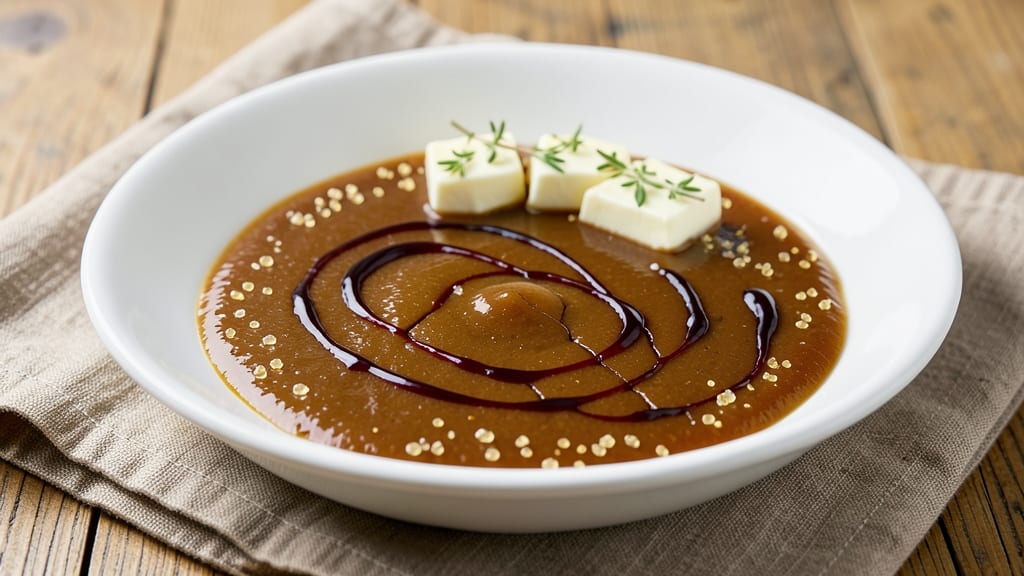
This balsamic butter sauce recipe transforms simple ingredients into a velvety, tangy-sweet masterpiece that elevates everything from grilled meats to roasted vegetables. The secret lies in balancing rich butter with the bold acidity of balsamic vinegar, creating a sauce that's both elegant and effortless.
I developed this version after years of testing—it never fails to impress, whether drizzled over warm pasta or spooned onto a steak.
The process is straightforward: melt butter with balsamic vinegar and a touch of honey (or sugar) to round out the sharpness, then simmer until thickened into a glossy, emulsified sauce.
What makes this sauce truly special is its versatility—it works as a finishing touch for seafood, a glaze for roasted vegetables, or even a dip for crusty bread. The key is patience; letting it reduce slowly ensures a smooth, cohesive texture without any separation.
What you'll end up with is a sauce that's perfectly balanced—tangy yet sweet, rich yet light, and impossibly easy to make. The aroma alone will have everyone at the table asking for seconds, while the first taste delivers that perfect harmony of flavors.
This isn't just a condiment; it's the kind of sauce that turns ordinary meals into something extraordinary.
Store it in the fridge for up to a week, or freeze for longer shelf life—just reheat gently before using. Whether you're prepping for a dinner party or just want to elevate weeknight meals, this sauce is your new secret weapon. Let's get started!
Ingredients for balsamic butter sauce
Six simple ingredients transform into a velvety sauce that makes everything taste extraordinary.
| Ingredient | Amount | Notes |
|---|---|---|
| Unsalted Butter 🧈 | ½ cup | Cold, cut into small cubes |
| Balsamic Vinegar 🍷 | ½ cup | Aged, not flavored |
| Honey 🍯 | 2 tbsp | Wildflower preferred |
| Granulated Sugar 🍚 | 1 tbsp | Or substitute with honey |
| Fresh Thyme Leaves 🌿 | 1 tbsp | Or 1 tsp dried thyme |
| Salt 🧂 | ¼ tsp | Kosher or sea salt |
| Black Pepper 🌶️ | ⅛ tsp | Freshly cracked |
| Freshly Squeezed Lemon Juice 🍋 | 1 tsp | Bright, not bottled |
The butter is non-negotiable here—unsalted so you control the seasoning. European-style butter like Plugrá or Kerrygold has more flavor, but any good brand works. For the balsamic, aged vinegar (at least 2 years) makes all the difference—it's smoother and sweeter than regular. I grab mine from Trader Joe's or Whole Foods when I can, but the regular grocery store stuff is fine too. The honey should be wildflower or clover—it's lighter than other varieties and won't overpower the sauce.
No honey? Double the sugar or swap for maple syrup at the same amount. Short on thyme? Fresh rosemary works too—just use half the amount. The lemon juice is optional but adds a bright finish—bottled juice is fine if you're in a pinch, but fresh is always better. Want it even richer? Add a pinch of ground cinnamon or vanilla extract at the end. The key is balance: if your sauce tastes too sharp, add more butter. Too sweet? More balsamic and a splash of lemon.
This sauce keeps beautifully—1 week in the fridge covered, or 3 months in the freezer in an airtight container. For freezing, let it cool completely first. Reheat gently in a saucepan over low heat, stirring often, until smooth. I like to portion it into small jars so I can grab just what I need. Leftovers make an amazing dip for crusty bread or a quick glaze for roasted veggies.
Why You'll Love This Recipe
- Five-Ingredient Magic: I swear by this one—just butter, balsamic, honey, sugar, and thyme. That’s it. No fussy reductions, no straining, no waiting for hours. Simmer it down, let the vinegar mellow into something rich, and boom—you’ve got a sauce that feels fancy without the effort.
- Sweet-Savory Balance: Honestly, the combo of sharp balsamic and creamy butter with a touch of honey and thyme is ridiculously good. It’s tangy, it’s sweet, it’s herby—like a grown-up dessert sneaking into your savory meals. (Yes, even on a Tuesday night.)
- Pantry Staple Power: This sauce turns boring things into winners. Drizzle it over grilled chicken, toss it with roasted veggies, or melt it into mashed potatoes. It’s my go-to for when I’m out of ideas but still want something that tastes like I tried. (Spoiler: It does.)
- Make-Ahead Miracle: Between us, I always double the batch. The flavors deepen overnight, and it keeps for weeks in the fridge. Spread it on toast, stir it into pasta, or just eat it with a spoon—no judgment here. Budget-friendly? Absolutely. Lazy-friendly? Even more so.
Step-by-step instructions for balsamic butter sauce
Here's how to create this velvety, balanced sauce that's perfect for drizzling.
Melt the Butter and Reduce the Vinegar
Place the 0.5 cup unsalted butter (cold and cut into small cubes) in a small saucepan over medium-low heat. Let it melt completely, then add the 0.5 cup aged balsamic vinegar. I like to use medium-low heat here because we want a slow reduction that concentrates the flavors without burning.
Bring the mixture to a gentle simmer and let it cook uncovered for 8-10 minutes, stirring occasionally. You'll notice the liquid reduce by about half and develop a deep, caramelized aroma. This is where the magic happens—the vinegar's acidity softens as it reduces, creating a rich, tangy base. If you see it getting too dark too quickly, reduce the heat slightly to prevent over-browning.
Add Sweetness and Herbs
Once the vinegar has reduced, stir in the 2 tbsp honey and 1 tbsp granulated sugar. The mixture will bubble up slightly as the sugars dissolve. Add the 1 tbsp fresh thyme leaves and let everything simmer together for another 3-4 minutes until the honey is fully incorporated and the sauce begins to thicken.
Here's the thing—this step balances the acidity of the vinegar with sweetness. The thyme adds an earthy depth that pairs beautifully with the richness of the butter. If you're using dried thyme instead, reduce the amount to 1 teaspoon and add it slightly later in the process so it doesn't overpower the delicate flavors.
Season and Finish with Lemon
Remove the saucepan from heat and let it cool slightly for 1-2 minutes. This prevents the butter from separating when you add the remaining ingredients. Stir in the 0.25 teaspoon salt, 0.125 teaspoon black pepper, and 1 teaspoon freshly squeezed lemon juice. The lemon brightens the entire sauce, cutting through the richness and adding a fresh finish.
I always taste at this stage and adjust the seasoning if needed. Sometimes I add a tiny extra pinch of salt or another squeeze of lemon to balance the flavors perfectly. The sauce should be thick enough to coat the back of a spoon but still pourable. If it's too thick, you can thin it with a splash of warm water or a bit of the reserved cooking liquid from whatever you're serving it over.
Cool and Store Properly
Transfer the sauce to a clean jar or airtight container and let it cool completely at room temperature. This cooling process allows all the flavors to meld together perfectly. The sauce will thicken further as it cools, which is exactly what we want for that ideal drizzling consistency.
Store any leftovers in the refrigerator for up to 1 week. When you're ready to use it again, simply reheat it gently in a small saucepan over low heat, stirring constantly until smooth. I've found that this sauce keeps beautifully and actually tastes better the next day as the flavors continue to develop. Just be sure to reheat it slowly to prevent the butter from separating.
Pro Tips For Making Balsamic Butter Sauce
- Simmer Slow and Steady: I learned this the hard way—rushing the balsamic and butter combo turns it grainy or separates. Keep the heat low once you add the vinegar, and let it bubble gently for at least 5-7 minutes. The butter needs time to fully emulsify, or you’ll end up with a sad, oily mess instead of that glossy, velvety sauce.
- Toast the Thyme First: Fresh thyme leaves lose their brightness if tossed in cold butter. Give them a quick 30-second dry toast in a hot pan before adding them to the sauce—just until fragrant. This jumpstarts their flavor and keeps the aroma intact when the butter melts.
- Balance the Sweetness: Honey and sugar are easy to overdo, especially if your balsamic is already tangy. Start with half the sugar called for, taste, then add more if needed. The sauce should taste like a sophisticated dessert, not syrup—think "complex" not "overpowering."
- Whisk Like You Mean It: The moment you add cold butter to the warm balsamic mixture, grab that whisk and move. Break the butter into small pieces first, then stir vigorously until it melts completely. If you let it sit, you’ll get lumps—or worse, a butter bomb that explodes when you try to drizzle it.
Storing and reheating this recipe
Refrigerator Storage
Transfer your cooled balsamic butter sauce to an airtight glass container—I love using 8-ounce mason jars for portion control. Store it in the fridge for up to 1 week, where it continues to develop deeper flavors.
The sauce thickens further as it chills, so you may need to thin it slightly with warm water or beef broth when reheating. Always let it come to room temperature before using to prevent butter separation. 🧊
Freezer Preservation
For longer storage, portion the sauce into freezer-safe containers (I prefer quart-sized silicone molds) or ice cube trays for single-use servings. Freeze for up to 3 months, but label with the date to track freshness.
When ready to use, thaw overnight in the fridge and reheat gently over low heat—never microwave, as it can cause separation. The texture may become slightly grainy after freezing, but a quick stir with a splash of warm water restores smoothness. ❄️
Reheating Like a Pro
To reheat, place the sauce in a small saucepan over low heat and stir constantly with a silicone spatula until fully melted and smooth. If the sauce looks separated, add 1 teaspoon of warm water and whisk vigorously until emulsified.
For extra richness, add a pat of cold butter at the end. I always reheat just enough to warm through—2-3 minutes is perfect—and avoid boiling to preserve the delicate balance of flavors. 🔥
Avoiding Butter Separation
Butter separation is the biggest enemy of reheated balsamic butter sauce. To prevent it, never reheat on high heat—always use low to medium-low. If separation occurs, whisk in 1 tablespoon of warm water or reserved cooking liquid from your dish.
For a quick fix, place the sauce in a blender with 1 tablespoon of warm butter and pulse until smooth. The key is patience—rushing ruins the texture. 💡
Creative Leftover Uses
Don’t let leftovers go to waste! Use this sauce as a dipping sauce for crusty bread, a glaze for roasted vegetables, or a finishing drizzle over grilled chicken. For extra flair, stir in 1 teaspoon of fresh herbs (like parsley or chives) when reheating.
I also love using it as a pasta sauce—toss it with cooked linguine and a sprinkle of Pecorino Romano. The possibilities are endless! 🌟
Nutrition facts
Frequently asked questions
Can I make this sauce without honey?
Yes! Simply double the 1 tbsp granulated sugar or substitute with 2 tbsp maple syrup for a similar sweetness level. The key is balancing the balsamic's acidity—if your sauce tastes too sharp, add a pinch more sweetener or a splash of lemon juice. For a savory version, you could even omit both and use just 1 tsp Dijon mustard instead.
Why did my sauce separate when reheating?
Butter separation happens when reheated too quickly or on high heat. To fix it, whisk in 1 tbsp warm water or reserved cooking liquid while stirring constantly over low heat. For prevention, always reheat gently and stir frequently. If it's still grainy, blend with 1 tbsp fresh butter until smooth. The secret is patience—never rush the process!
What are the best proteins to pair with this sauce?
This sauce shines with grilled or roasted meats like chicken, pork chops, or salmon. It also works beautifully with seared scallops, pan-seared shrimp, or even vegetarian options like roasted Brussels sprouts or eggplant. For pasta, try tossing it with fettuccine or linguine and adding Pecorino Romano for extra depth.
Can I make this sauce ahead of time?
This sauce actually tastes better after resting. Make it 1-2 days ahead and store in the fridge for deeper flavor development. For longer storage, freeze in ice cube trays (for single servings) or airtight containers for up to 3 months. Thaw overnight in the fridge before reheating gently. The flavors meld beautifully over time!
How can I adjust the thickness?
If your sauce is too thick, thin it with 1 tsp warm water or beef broth while whisking. For a thicker consistency, simmer uncovered for 2-3 extra minutes until reduced. The ideal texture should coat the back of a spoon but still be pourable. Remember, it thickens further as it cools—adjust while warm for best results.