
Sauces & Condiments
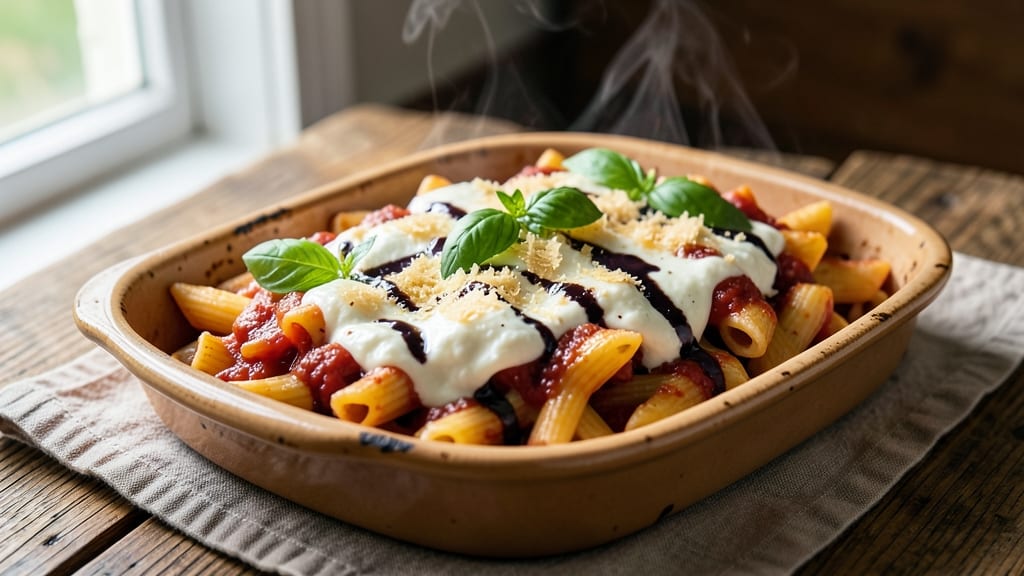
This baked ziti sauce recipe transforms simple ingredients into a rich, cheesy tomato blend that delivers restaurant-quality flavor in one pot.
The secret lies in balancing marinara's acidity with creamy ricotta and sharp Parmesan, creating a sauce that clings perfectly to pasta while forming a golden, bubbly top layer when baked. I developed this version after years of testing—it's the one that finally made my homemade ziti taste better than takeout.
The foundation starts with a simmered tomato base that reduces into a concentrated, flavorful sauce before blending with ricotta for creaminess. Adding mozzarella and Parmesan in stages ensures each layer of flavor develops properly, while a touch of heavy cream prevents separation.
What sets this apart is the textural contrast: the sauce stays velvety smooth while developing a crispy, cheesy crust when baked, just like your favorite Italian restaurant.
What you'll end up with is a versatile sauce that works equally well as a baked ziti topping, pasta sauce, or even a dipping sauce for breadsticks. The rich tomato-cheese combination keeps well in the fridge for up to 5 days, making it perfect for meal prep.
When baked, it transforms into a golden, bubbling masterpiece that's impossible to resist.
This recipe delivers one-pot convenience without sacrificing depth of flavor—ideal for busy weeknights or when you want to impress guests with minimal effort. The sauce's creamy yet tangy profile makes it a crowd-pleaser, and the technique is straightforward enough for beginners while offering enough room for customization.
Let's create this sauce that will elevate every pasta dish.
Ingredients for baked ziti sauce
Here's what transforms simple pantry staples into that restaurant-worthy ziti sauce.
| Ingredient | Amount | Notes |
|---|---|---|
| High-Quality Marinara Sauce 🍅 | 2 cups | Store-bought or homemade, low sugar preferred |
| Whole-Milk Ricotta Cheese 🧀 | 1 cup | Full-fat for creaminess, drained if watery |
| Fresh Mozzarella Cheese 🧀 | 1 cup | Low-moisture if unavailable, sliced or diced |
| Parmesan Cheese 🧀 | 1 cup | Freshly grated from block, not pre-grated |
| Heavy Cream 🥛 | ¼ cup | Full-fat for best texture, chilled |
| Large Eggs 🥚 | 2 whole | Room temperature for best blending |
| Extra-Virgin Olive Oil 🫒 | 2 tbsp | Fruity variety for richness |
| Garlic Cloves 🧄 | 3 cloves | Fresh, minced or finely chopped |
| Diamond Crystal Kosher Salt 🧂 | 1 ½ tsp | Adjust to taste, don't over-salt |
| Freshly Ground Black Pepper 🌶️ | ½ tsp | Freshly cracked for best flavor |
| Dried Basil 🌿 | 1 tbsp | Or 0.25 cup fresh, finely chopped |
The marinara is your flavor foundation—Rao's or Victoria are my go-tos for store-bought, but homemade with San Marzano tomatoes takes it to another level. Look for ricotta with good fat content (check the label)—the higher the percentage, the creamier your sauce will be. For Parmesan, Parmigiano-Reggiano from a wedge is non-negotiable; pre-grated has anti-caking agents that make the sauce grainy. Mozzarella should be fresh and milky, not rubbery or dry. I always grab mine from the deli counter at Whole Foods or Trader Joe's—their quality is consistent. The heavy cream might seem like a luxury, but it's what prevents separation when baking, giving you that perfect velvety texture.
No ricotta? Cottage cheese blended smooth works in a pinch, though it's not identical. Short on mozzarella? Fontina or Gruyère melt beautifully too. Pre-grated Parmesan? Toast it in a dry pan first to burn off the anti-caking agents—trust me, it makes a difference. The garlic can be roasted for a sweeter flavor (just toss whole cloves with olive oil, roast at 400°F for 10 minutes). Want to make this dairy-free? Swap the ricotta for cashew cream**> (blend soaked cashews with lemon juice) and use vegan mozzarella. The dried basil is non-negotiable for that authentic Italian flavor—fresh is ideal, but dried works if you're in a hurry.
This sauce keeps beautifully—5 days in the fridge sealed in a jar, or 3 months frozen in portion-sized containers. The ricotta and mozzarella blend well when cold, so you can prep everything ahead and mix it right before baking. For meal prep, I make a double batch and freeze half—just thaw overnight in the fridge before using. The sauce reheats beautifully, but if you're baking with it, let it come to room temperature first for even cooking. Pro tip: Add a splash of pasta water when mixing to loosen the sauce slightly—it helps it cling better to noodles.
Why You'll Love This Recipe
- I swear by this method: just dump marinara, ricotta, and mozzarella in layers—no fancy folding or measuring cups. The heavy cream in the sauce keeps it creamy without curdling, and the ricotta stretches like a dream when baked.
- No-Fuss Layering: I swear by this method: just dump marinara, ricotta, and mozzarella in layers—no fancy folding or measuring cups. The heavy cream in the sauce keeps it creamy without curdling, and the ricotta stretches like a dream when baked.
- Creamy-Rich Magic: That ricotta and heavy cream combo? It’s the secret weapon—creamy, slightly tangy, and never grainy. The fresh mozzarella adds that melt-in-your-mouth pull, while Parmesan on top gives it a sharp, salty finish that makes every bite worth it.
- Weeknight & Potluck Star: Honestly, this is my go-to for dinner parties and lazy Tuesdays. Double the batch, freeze half, and you’ve got a meal ready in 10 minutes later. It’s hearty enough for a crowd but still feels special—no one will guess it’s this easy.
Step-by-step instructions for baked ziti sauce
This creamy, tomato-rich sauce comes together in one pot—rich, cheesy, and perfect for baked ziti.
Bloom the Garlic and Basil in Olive Oil
Heat the 2 tablespoons extra-virgin olive oil in a large, deep skillet over medium-low heat. Add the 3 minced garlic cloves and 1 tablespoon dried basil—this is where the flavor magic starts. Cook for 1-2 minutes until the garlic turns golden and fragrant, but never let it brown. The moment it darkens, you've burned it, and that bitter taste will ruin your sauce. Stir constantly to prevent sticking, and watch for that aromatic transformation.
Here's the thing—low heat is key. Too much heat and the garlic burns faster than you can blink. You want to see the oil shimmering gently around the garlic, not smoking. This step builds the aromatic foundation for your sauce, so don't rush it. Remove from heat immediately after the garlic turns golden—you'll add it back once the other ingredients are ready.
Combine Wet Ingredients for Creamy Base
In a separate bowl, whisk together the 2 whole large eggs, 0.25 cup heavy cream, and 1.5 teaspoons kosher salt. The eggs should be at room temperature—this ensures they blend smoothly without creating lumps. Add the 1 cup whole-milk ricotta cheese and mix until fully incorporated. The ricotta should dissolve into the egg mixture, creating a thick, creamy batter. If it's too thick, add 1 tablespoon water to loosen it slightly—this helps the sauce bind properly later.
This is the moment that matters: the ricotta adds that signature creaminess to baked ziti sauce. If your ricotta is watery, drain it first using a fine-mesh strainer. Watery ricotta can make your sauce too thin, and you'll end up with a runny mess instead of that perfect, clingy texture we're after. Taste the mixture now—it should be slightly tangy and rich, with no graininess from undissolved ricotta.
Warm the Marinara and Cheese Mixture
Return the skillet with the garlic-basil oil to medium heat. Add the 2 cups high-quality marinara sauce and stir to combine with the aromatic oil. Let it simmer gently for 3-4 minutes until it's just warmed through—you don't want to cook the sauce yet, just heat it enough to melt the cheeses smoothly later. In a separate bowl, combine the 1 cup fresh mozzarella cheese (diced if using low-moisture) and 1 cup freshly grated Parmesan cheese. The mozzarella should be cold when you add it—this prevents it from melting prematurely.
Here's where it gets fun: the mozzarella should be cut into small, even pieces. If you use pre-shredded cheese, it often contains anti-caking agents that make the sauce grainy. Freshly grated Parmesan is non-negotiable—pre-grated cheese loses flavor and moisture quickly. The mozzarella will melt into a silky texture, while the Parmesan adds that sharp, salty depth that makes this sauce truly special.
Blend and Thicken the Sauce
Reduce the heat to low and slowly pour the egg-ricotta mixture into the warm marinara, whisking constantly to prevent scrambling. The residual heat from the sauce will gently cook the eggs into a creamy binder. Add the cheese mixture and stir until the mozzarella is mostly melted and the Parmesan is fully incorporated—this should take about 2-3 minutes. If the sauce looks too thick, add 1-2 tablespoons hot pasta water to loosen it. You want a consistency that coats the back of a spoon but still holds its shape when drizzled.
This is the critical stage where everything comes together. The sauce should be smooth, with no visible lumps of egg or cheese. If it's still grainy, strain it through a fine-mesh sieve to achieve that silky texture. Taste and adjust seasoning with freshly ground black pepper—you might need a bit more salt to balance the richness of the cheese. The sauce should be tangy, slightly sweet from the marinara, and rich from the ricotta and cream.
Finish and Prepare for Baking
Remove the sauce from heat and let it cool slightly for 5 minutes—this prevents the eggs from overcooking when you add it to the pasta later. Transfer the sauce to a large bowl and cover with plastic wrap, pressing the wrap directly onto the surface to prevent a skin from forming. Refrigerate for at least 30 minutes (or up to 4 hours) before using. This chilling step is essential—it allows the flavors to meld and the texture to set properly, ensuring your baked ziti doesn't turn into a soupy disaster when baked.
When you're ready to use it, give the sauce a quick stir to redistribute any separated cream or cheese. The sauce should be thick enough to cling to pasta but still flow smoothly. This sauce is designed for one-pot magic—just toss it with cooked ziti, transfer to a baking dish, and bake until bubbly and golden. The result? A creamy, cheesy, tomato-rich sauce that's the heart of any great baked ziti.
Pro Tips For Making Baked Ziti Sauce
- Preheat Like a Pro: Your oven should hit 425°F (220°C) and stay there—no preheating shortcuts. I learned this after my first batch emerged soggy because the oven was still warming up. The high heat guarantees that crusty top we all crave, especially when you’re layering ricotta heavy on the marinara.
- Drain That Ricotta: Whole-milk ricotta is rich, but it’s also wet—like, way wetter than you’d guess. Spread it on a paper towel or strain it through a fine-mesh sieve for 10 minutes before mixing with heavy cream. This keeps your sauce from turning into a watery mess when it bakes, and trust me, you’ll notice the difference in texture.
- Layer Cheese Strategically: Skip dumping all the mozzarella on top at once—it’ll melt into a greasy sludge. Instead, dot fresh mozzarella chunks between layers and sprinkle shredded parmesan evenly over the ricotta mix. The chunks stay gooey and delicious, while the parmesan browns into a crispy, savory crust.
- Cover Early, Uncover Late: Tent the ziti with foil for the first 20 minutes of baking—this locks in moisture so the ricotta doesn’t curdle. Then, remove the foil for the last 10-15 minutes to let the top turn golden. I used to forget this step, and my dish would either be dry or gloppy. Now? Perfect every time.
Dietary considerations for these flavors
Gluten-Free Adaptations
To make this sauce gluten-free, focus on the marinara base first. Use a gluten-free tomato sauce like Rao's Gluten-Free Marinara or make your own from scratch with San Marzano tomatoes and gluten-free tomato paste. Avoid any thickeners like flour in store-bought sauces—check labels carefully!
For the cheese components, most ricotta, mozzarella, and Parmesan are naturally gluten-free, but always verify packaging. The eggs and heavy cream remain safe as well. The texture stays rich and creamy, just without any hidden gluten. 🌱
Dairy-Free Options
For a dairy-free version, replace the ricotta with cashew cream (blend 1 cup soaked cashews with ¼ cup water and 1 tbsp lemon juice). Use vegan mozzarella like Miyoko's or Violife, and swap Parmesan for nutritional yeast or dairy-free hard cheese like Follow Your Heart.
The heavy cream can be replaced with coconut cream or full-fat coconut milk for richness. Taste as you go—you may need to adjust saltiness since dairy-free cheeses often have milder flavors. The sauce will still be creamy but with a slightly different texture. 🥥
Lower-Carb/Keto
To adapt this sauce for keto, skip the ricotta (or use a ricotta substitute like cream cheese blended with almond flour) and reduce the mozzarella to ½ cup. Use a low-sugar marinara (check labels—some contain hidden carbs) or make your own with tomatoes, olive oil, and herbs.
The heavy cream can stay, but watch your fat macros. For extra flavor without carbs, add sun-dried tomatoes or olives. The result is a keto-friendly sauce that's still rich and satisfying. 🍽️
Vegetarian/Vegan
This sauce is already vegetarian-friendly, but for vegan, replace the eggs with 2 tbsp ground flaxseed mixed with 6 tbsp water (let it thicken for 5 minutes). Use vegan ricotta like Tofutti or cashew cream, and ensure your mozzarella and Parmesan are plant-based.
The heavy cream can be swapped for coconut cream or oat cream. The sauce will still be creamy and flavorful, just without any animal products. 🌿
Allergen-Friendly
For nut allergies, avoid cashew cream and use sunflower seed butter blended with water for a dairy-free base instead. Egg allergies? Replace eggs with aquafaba (chickpea brine) or silken tofu blended smooth.
Always double-check cheese labels for cross-contamination warnings if allergies are severe. The sauce remains versatile while accommodating most dietary restrictions. Always prepare in a clean environment if allergens are a concern. 🚫🥛
Nutrition facts
Frequently asked questions
Can I make this sauce without eggs?
Yes! Replace the 2 eggs with 2 tbsp ground flaxseed mixed with 6 tbsp water (let it thicken for 5 minutes). For extra binding power, add 1 tbsp cornstarch to the ricotta mixture. The sauce will still be creamy but slightly thicker—adjust with a splash of pasta water if needed.
Why did my sauce separate when baking?
Separation usually happens when the sauce gets too hot or the eggs cook too quickly. Always chill the sauce for at least 30 minutes before baking, and use it at room temperature. If it separates, whisk in 1-2 tbsp hot pasta water to re-emulsify. For next time, reduce heat to low**> when adding eggs and stir constantly.
Can I use this sauce for other pasta dishes?
This rich, cheesy sauce works perfectly for lasagna layers, manicotti, or as a creamy pasta sauce for dishes like fettuccine alfredo-style. For baked dishes, add 1 extra egg to help it hold together better. For regular pasta, toss it with cooked noodles and finish with extra Parmesan. The flavor profile is versatile enough for many Italian dishes!
How do I prevent the sauce from getting too thick?
If your sauce seems too thick after mixing, loosen it with 1-2 tbsp hot pasta water or heavy cream. Start with just 1 tbsp and add gradually while stirring. The sauce should coat the back of a spoon but still flow smoothly. For baking, slightly thicker is better—it creates that perfect golden crust!
What's the best way to reheat leftover sauce?
Gently reheat in a saucepan over low heat, stirring frequently to prevent separation. Add 1-2 tbsp water or cream if it thickens too much. For baked dishes, cover with foil and bake at 350°F (175°C) until warmed through. Never microwave—it causes uneven heating and can make the sauce grainy. The sauce reheats best when warmed slowly.