
Sauces & Condiments
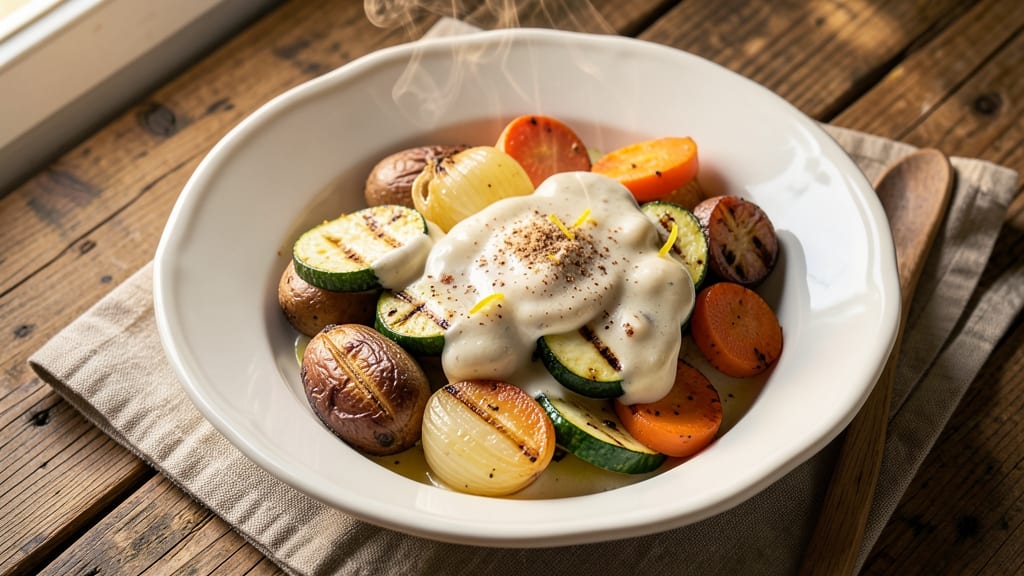
This baked vegetables in white sauce recipe transforms simple produce into restaurant-worthy comfort food with just 30 minutes of hands-off baking. The secret lies in a creamy white sauce that caramelizes into a golden crust while the vegetables roast to tender perfection beneath.
I developed this dish after years of testing—it’s the kind of recipe that turns weeknight dinners into something special without requiring advanced techniques.
The magic happens when you layer the sauce directly over the vegetables before baking, creating a crispy, cheesy top that seals in flavors while keeping the inside tender.
You’ll use a mix of carrots, potatoes, and zucchini for texture contrast, all blanketed in a velvety sauce made with just five ingredients. The hidden herbs—thyme and parsley—add depth without overpowering the natural sweetness of the veggies.
By the time it emerges from the oven, you’ll have a dish that’s visually stunning and packed with creamy, savory goodness. The sauce caramelizes into a golden blanket, while the vegetables underneath stay perfectly cooked—no mushy edges or dry spots.
This is the kind of meal that feels indulgent but comes together effortlessly, making it perfect for busy weeknights or impressing guests.
Serve it as a main dish with crusty bread or as a side to complement proteins like chicken or fish. The versatility of this recipe means you can swap in seasonal vegetables or adjust the sauce to your preference—whether you prefer extra cheesy or lighter with Greek yogurt.
Here’s how to make it perfectly every time.
Ingredients for baked vegetables in white sauce
Fresh vegetables and simple pantry staples create this restaurant-worthy baked dish with crispy perfection.
| Ingredient | Amount | Notes |
|---|---|---|
| Medium Yellow Onions 🧅 | 2 whole | Diced into even pieces |
| Medium Carrots 🥕 | 4 whole | Peeled and cut into chunks |
| Medium Russet Potatoes 🥔 | 3 whole | Cut into 1-inch cubes |
| Medium Zucchini 🍆 | 2 whole | Sliced into half-moons |
| Unsalted Butter 🧈 | ½ cup | Cold for best texture |
| All-Purpose Flour 🌾 | ¼ cup | For roux consistency |
| Whole Milk 🥛 | 1 ½ cups | Full-fat for creaminess |
| Shredded Sharp Cheddar Cheese 🧀 | 1 cup | Freshly grated preferred |
| Fresh Thyme Leaves 🌿 | ½ tsp | Or 1/4 tsp dried thyme |
| Fresh Parsley Leaves 🌿 | ¼ cup | Chopped for garnish |
| Kosher Salt 🧂 | 1 ½ tsp | Diamond Crystal preferred |
| Ground Black Pepper 🌶️ | ½ tsp | Freshly ground preferred |
| Garlic Cloves 🧄 | 3 cloves | Minced for sauce depth |
| Extra-Virgin Olive Oil 🫒 | 1 tbsp | For tossing vegetables |
The vegetables are the stars here—look for firm, vibrant produce at the grocery store. Trader Joe's and Whole Foods have excellent selections, but your local market works too. For the potatoes, Russet or Yukon Gold hold up best to baking. Zucchini should be young and tender—thick ones can get watery. The onions and carrots can be prepped ahead (they keep 3 days in the fridge), but slice the zucchini last to prevent browning. Fresh herbs matter: thyme and parsley from the grocery store's produce section should smell aromatic, not wilted.
No sharp cheddar? Gruyère or Parmesan adds a different depth, though the tang is key. Short on milk? Heavy cream plus water mimics the richness (use 1 cup cream + 0.5 cup water). The butter must be cold when making the roux—microwave it 40 seconds to just soften, not melt. For extra crispiness, sprinkle panko breadcrumbs over the cheese before baking. Swap zucchini for asparagus or bell peppers if you prefer—just adjust baking time accordingly.
Prep the sauce first—it needs time to thicken. The vegetables should be tossed in olive oil and salted 30 minutes before baking to develop flavor. Store leftovers in an airtight container for 4 days, but honestly, it reheats beautifully—the sauce gets even creamier. Freeze portions for 3 months by wrapping tightly in foil. I always make a double batch—one for dinner, one for lunches the next week.
Why You'll Love This Recipe
- One-Pan Magic: I swear by this when I’m too tired to scrub pots—just toss the chopped veggies (onions, carrots, potatoes, zucchini) on a sheet pan, drizzle with butter, and let the oven do the work. No boiling, no steaming, no fuss.
- Creamy Caramelized Bliss: That white sauce—rich from butter and a splash of milk—turns the edges of the potatoes golden and the carrots tender with a hint of sweetness. The onions caramelize just enough to add depth without overpowering.
- Lunchbox Hero: Between us, this is my go-to for meal prep. The sauce clings to everything, so every bite is flavorful, and it reheats like a dream. Pack it cold for work or microwave it for a lazy afternoon—no sad, soggy veggies here.
- Budget-Friendly Luxury: Russets and carrots are pantry staples, and butter makes it feel special without breaking the bank. Honestly, I’ve served this at dinner parties and no one ever guessed it cost less than $10 to make.
Step-by-step instructions for baked vegetables in white sauce
Here's how to create that perfect crispy-topped, creamy-cheesy vegetable casserole everyone will beg for.
Prep and Roast the Vegetables
Preheat your oven to 425°F. In a large bowl, toss the 2 whole medium yellow onions (diced), 4 whole medium carrots (peeled and chunked), 3 whole medium russet potatoes (cut into 1-inch cubes), and 2 whole medium zucchini (sliced into half-moons) with the 1 tablespoon extra-virgin olive oil, 1 teaspoon kosher salt, and ¼ teaspoon ground black pepper.
Spread the vegetables evenly on two rimmed baking sheets, leaving space between pieces so they brown properly. Roast for 20-25 minutes until the edges begin to brown and the vegetables are tender when pierced with a fork. This initial roasting builds deep flavor and creates that perfect crispy texture we're after.
Make the Creamy White Sauce
While the vegetables roast, melt the ½ cup unsalted butter in a large skillet over medium heat. Add the 3 minced garlic cloves and cook for 30 seconds until fragrant—don't let it brown or it'll turn bitter. Immediately whisk in the ¼ cup all-purpose flour to form a roux.
Cook the roux for 1-2 minutes until it turns a pale golden color and smells nutty. Slowly pour in the 1½ cups whole milk while whisking constantly to prevent lumps. Stir in the ½ teaspoon fresh thyme leaves and bring to a gentle simmer. Let it cook for 3-4 minutes until thickened enough to coat the back of a spoon. Remove from heat and stir in the 1 cup shredded sharp cheddar cheese until fully melted and smooth.
Combine and Bake to Perfection
Transfer the roasted vegetables to a 9x13-inch baking dish. Pour the white sauce evenly over the vegetables, making sure each piece is well coated. Sprinkle the remaining 1 teaspoon kosher salt and ¼ teaspoon ground black pepper over the top, then scatter the ¼ cup chopped fresh parsley leaves for color and freshness.
Return to the oven and bake for 20-25 minutes until the top is golden brown and bubbly. The sauce should be thick and creamy with a crispy, slightly caramelized crust on top. If it needs more color, broil for 2-3 minutes at the end, watching closely to prevent burning.
Rest and Serve with Confidence
Remove from the oven and let the casserole rest for 5-10 minutes before serving. This resting time allows the flavors to meld together and the sauce to set slightly, making it easier to serve without everything sliding around. The vegetables should be fork-tender with that perfect crispy top we worked so hard for.
Serve warm with crusty bread or as a side dish for your main course. Each bite delivers that comforting combination of tender vegetables, rich white sauce, and crispy top—exactly what makes this dish so satisfying. The hidden herbs add subtle complexity without overpowering the natural flavors of the vegetables.
Pro Tips For Making Baked Vegetables In White Sauce
- Parboil Potatoes First: Russets take forever to soften—cut them into even 1-inch chunks, boil for 5 minutes, then drain. This guarantees they’ll finish tender without turning to mush while the sauce cooks. (Yes, even if you’re impatient like me.)
- Slice Zucchini Thinly: Thick slices stay watery and sad. Use a mandoline or sharp knife for ¼-inch slices—they’ll crisp just enough to hold their shape and soak up the sauce instead of swimming in it.
- Don’t Overcrowd the Pan: Pile everything in and you’ll steam instead of bake. Arrange veggies in a single layer, leaving gaps—crowding traps moisture and turns your crispy edges into soggy disappointment.
- Brown the Onions: Skip this, and your sauce will taste bland. Cook the onions in butter over medium heat until golden (about 8-10 minutes), even if it means extra time. The depth of flavor makes all the difference.
Storing and reheating your baked vegetables in white sauce
Refrigerator Storage
Store leftovers in an airtight container with a tight-fitting lid—glass or BPA-free plastic works best. Let the dish cool for 30-45 minutes before transferring to avoid steam buildup, which can make the sauce soggy. I like using Pyrex baking dishes with lids because they stack neatly in the fridge.
Keep it at 40°F or below for up to 4 days, though I’ve found the flavors actually deepen overnight. 🥫
Freezer-Friendly Tips
For longer storage, freeze portions in single-serving glass containers (like Le Creuset stoneware) or heavy-duty freezer bags. Wrap tightly with plastic wrap first to prevent freezer burn.
This dish freezes beautifully for 3 months—just thaw overnight in the fridge before reheating. The sauce stays creamy, though the crispy top will soften slightly. 🧊
Stovetop Reheating
My preferred method is stovetop reheating for that restaurant-quality crispy top. Cover the dish loosely with foil and warm on medium-low heat for 10-12 minutes, stirring occasionally. Add 1-2 tablespoons of milk or water if the sauce seems too thick.
For extra crispiness, transfer to a baking dish and broil for 2-3 minutes at the end. 🔥
Microwave Shortcuts
For quick meals, microwave individual portions on 50% power for 2-3 minutes, stirring halfway. Cover with a damp paper towel to retain moisture. If the sauce looks dry, splash in 1 tablespoon of milk and stir. Avoid reheating at full power—it can make the sauce grainy. 💫
Oven Refresh Method
For a crispy top, preheat the oven to 375°F and transfer the leftovers to a baking dish. Cover with foil and heat for 15 minutes, then remove the foil and broil for 2-3 minutes until golden. This method restores that perfect caramelized crust while keeping the vegetables tender. 🌟
Sauce Consistency Fixes
If the sauce separates after reheating, whisk in 1 teaspoon of cold milk or 1 tablespoon of butter to restore creaminess. For extra richness, stir in 1 tablespoon of sour cream or Greek yogurt before serving. The sauce should be smooth and velvety, not clumpy or watery. ✨
Nutrition facts
Frequently asked questions
Can I use frozen vegetables for this recipe?
Fresh vegetables work best for maximum flavor and texture, but you can use frozen if needed. Thaw them completely first and pat dry thoroughly to prevent excess moisture from making the sauce watery. For best results, squeeze out any excess liquid with a clean kitchen towel before adding to the baking dish.
What vegetables can I substitute if I don't have carrots or zucchini?
This recipe is flexible! Swap zucchini for asparagus, bell peppers, or green beans, and replace carrots with cauliflower or sweet potatoes. Just adjust baking times—denser veggies like sweet potatoes may need an extra 5-10 minutes. Keep the total vegetable volume similar to maintain the sauce-to-vegetable ratio.
Why did my sauce turn out too thick or too thin?
Sauce consistency depends on cooking time and ingredients. If too thick, whisk in 1-2 tablespoons of milk or water while warm. For thin sauce, simmer uncovered for 2-3 extra minutes to reduce. The sauce should coat the back of a spoon but still be pourable—like heavy cream. If using powdered milk, reduce liquid by 2 tablespoons from the recipe.
Can I make this dish dairy-free?
Replace butter with olive oil or vegan butter, use unsweetened almond milk or oat milk instead of whole milk, and swap cheddar for nutritional yeast or vegan cheese. For extra creaminess, add 2 tablespoons of coconut cream to the sauce. The texture will be slightly lighter but still delicious.
How do I get that perfect crispy top every time?
Start by using sharp cheddar cheese (not pre-shredded, which contains anti-caking agents). Broil for the final 2-3 minutes at the end of baking, watching closely to prevent burning. For extra crunch, sprinkle 2 tablespoons of panko breadcrumbs over the cheese before the final bake. Avoid overcrowding the baking dish—this helps the top brown evenly.