
Sauces & Condiments
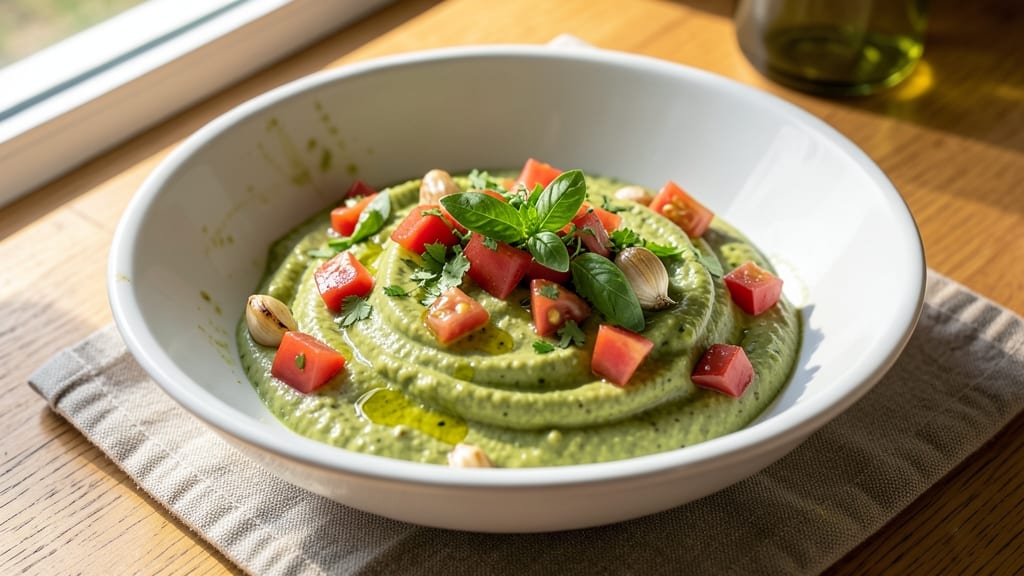
This avocado spaghetti sauce recipe transforms creamy, velvety avocado into a vibrant, herb-infused sauce that clings perfectly to pasta. The secret lies in blending ripe avocado with tomatoes, garlic, and fresh herbs—no dairy needed—to create a sauce that’s rich, tangy, and packed with plant-based protein.
It’s the kind of recipe that proves healthy eating can taste indulgent, without sacrificing texture or depth.
The beauty of this sauce is its versatility—it works as a luscious pasta topping, a dip for crispy bread, or a spread for toast. The avocado provides a natural creaminess, while the tomatoes and herbs add brightness, balancing the richness.
What’s more, it comes together in just 10 minutes with ingredients you likely already have on hand, making it a go-to for weeknight dinners or meal prep.
What you’ll end up with is a sauce that’s smooth, flavorful, and impossibly easy to customize. The avocado keeps it luscious even after chilling, and the herbs infuse subtle freshness with every bite.
Whether you’re serving it over al dente spaghetti or using it as a dip for roasted vegetables, this sauce delivers restaurant-quality results with minimal effort.
Best of all, it stores perfectly in the fridge for up to 5 days or freezes for months, so you can make a big batch and enjoy it all week. Ready to elevate your pasta nights? Let’s get started.
Ingredients for avocado spaghetti sauce
The creamy heart of this sauce starts with ripe avocados and bright tomatoes—no dairy needed.
| Ingredient | Amount | Notes |
|---|---|---|
| Ripe Avocados 🥑 | 2 whole | Firm but yielding, no bruises |
| Medium Tomatoes 🍅 | 2 whole | Roma or vine-ripened, chopped |
| Garlic Cloves 🧄 | 4 cloves | Fresh, minced for depth |
| Fresh Basil Leaves 🌿 | ½ cup | Packed, stems removed |
| Fresh Cilantro Leaves 🌿 | ¼ cup | Optional, for brightness |
| Extra-Virgin Olive Oil 🫒 | ½ cup | High-quality, fruity |
| Lemon Juice 🍋 | 2 tbsp | Freshly squeezed |
| Vegetable Broth 💧 | ½ cup | Low-sodium preferred |
| Salt 🧂 | 1 tsp | Diamond Crystal preferred |
| Ground Black Pepper 🌶️ | ½ tsp | Freshly ground |
| Red Pepper Flakes 🔥 | ¼ tsp | Adjust for heat preference |
Avocados are the star here, so pick them ripe but firm—they should yield slightly to gentle pressure. Trader Joe's and Whole Foods usually carry the best selection, but any grocery store's produce section will work. Look for avocados that are heavy for their size, with smooth skin. The tomatoes? Roma or vine-ripened varieties pack the most flavor—San Marzano canned tomatoes are a great backup if you're short on time. Fresh basil is non-negotiable for that signature herbaceous note, but if you're in a pinch, dried basil at half the amount will work in a bind (though it won't have the same fresh punch).
No fresh cilantro? Skip it entirely—this sauce still shines without it. The olive oil should be the good stuff; California avocado oil or a Spanish extra-virgin adds a fruity depth that cuts through the richness. Short on vegetable broth? Water plus a bouillon cube works, but you'll notice the difference. For extra creaminess without dairy, add 2 tbsp of silken tofu to the blend. The red pepper flakes are optional but add a subtle kick—start with less if you're sensitive to heat, you can always add more later.
This sauce is designed to be made ahead. Store in an airtight container with a thin layer of olive oil on top to prevent browning—keeps it vibrant for 3-4 days in the fridge. For longer storage, freeze in ice cube trays for single-serving portions, then transfer to a bag. Thaw overnight in the fridge and give it a quick blend before using. The flavor actually improves after chilling, as the herbs infuse more deeply. If the sauce thickens after refrigeration, just stir in a splash of water or broth to loosen it up.
Why You'll Love This Recipe
- No Blender Required: I swear by this—just mash the avocado right in the pot with warm tomatoes. No pulsing, no straining, no extra dishes. That creamy texture comes from hand-mashing, and honestly? It’s foolproof.
- Creamy Without Dairy: The avocado and tomatoes blend into this velvety sauce that’s rich but light. No heavy cream, no cheese—just pure, fresh flavor that sticks to every strand of pasta. My picky eaters don’t even miss the butter.
- Weeknight Meal Prep: Toss it in jars and grab it all week—it keeps for days without separating. Add a splash of lemon juice before storing, and it’s ready to reheat with zero fuss. (Yes, even on a Tuesday night.)
- Budget-Friendly Luxury: Fresh herbs and ripe avocados make it feel fancy, but the tomatoes and garlic stretch it far. Double the batch, freeze half, and you’ve got a restaurant-worthy sauce for pennies. My wallet thanks me every time.
Step-by-step instructions for avocado spaghetti sauce
Here's how to blend fresh ingredients into a velvety sauce that's rich, herbaceous, and perfect over pasta.
Prepare the Base Ingredients
Cut the 2 whole ripe avocados in half, remove the pits, and scoop the flesh into a food processor. Add the 2 whole medium tomatoes, chopped into rough pieces, and the 4 cloves garlic cloves, minced. This combination creates the creamy foundation while balancing the sauce with acidity and depth. I always use a food processor for this step—it creates a smoother texture than a blender and incorporates the ingredients more evenly.
Add the 0.5 cup fresh basil leaves and 0.25 cup fresh cilantro leaves, stems removed. Pulse briefly until the herbs are finely chopped but not pureed—this preserves their bright flavors while preventing the sauce from becoming too watery. The herbs will blend completely when you add the liquid ingredients, so don't worry if they look uneven at this stage.
Blend with Liquid and Seasonings
With the food processor running, slowly drizzle in the 0.5 cup extra-virgin olive oil. This gradual addition prevents the oil from splattering and allows it to emulsify properly with the avocado. Next, add the 2 tablespoons lemon juice, 0.5 cup vegetable broth, 1 teaspoon salt, 0.5 teaspoon ground black pepper, and 0.25 teaspoon red pepper flakes. The lemon juice brightens the sauce while the broth adds body and helps thin the mixture to the perfect consistency.
Blend until completely smooth, scraping down the sides as needed. The sauce should be thick but pourable—like a rich pesto. If it's too thick after blending, add 1-2 tablespoons of water or broth to reach your desired consistency. Taste and adjust seasoning if needed, remembering that the flavors will meld further as it sits.
Cook and Finish the Sauce
Transfer the blended sauce to a saucepan and place it over medium heat. Stir in the remaining 0.25 tablespoon olive oil to create a protective layer that prevents the sauce from scorching. Bring to a gentle simmer, then reduce the heat to low and let it cook for 5-7 minutes, stirring occasionally. This gentle cooking process develops the flavors and allows the herbs to infuse more deeply into the sauce.
As it simmers, you'll notice the sauce becoming slightly thicker and more aromatic. The avocado's natural oils will rise to the surface, creating a beautiful sheen. Remove from heat and let it cool for 5 minutes before serving—this resting period allows the flavors to fully meld and the sauce to reach its ideal consistency. The sauce should be vibrant green with flecks of herbs visible, indicating a perfect blend of freshness and richness.
Serve Over Pasta or Use as a Dipping Sauce
Ladle the warm sauce over cooked spaghetti, tossing gently to coat each strand. The sauce should cling beautifully to the pasta, creating a creamy, herb-infused coating. For best results, serve immediately while the sauce is still warm and the pasta is al dente. The contrast between the warm pasta and cool avocado sauce creates a delightful temperature play that enhances each bite.
If you prefer a thicker sauce, let it sit at room temperature for 10-15 minutes before serving—the avocado will release more oil as it cools, naturally thickening the mixture. This sauce also works beautifully as a dip for crusty bread or vegetables, making it a versatile addition to any meal. The balance of creamy avocado, bright herbs, and tangy lemon makes this sauce uniquely satisfying.
Pro Tips For Making Avocado Spaghetti Sauce
- Blend in Batches: Avocados oxidize fast—don’t mash them all at once. Split the ripe fruit into two batches, blend one, then mix in the second right before tossing with pasta. That creamy texture stays bright, not brown.
- Roast the Tomatoes: Raw tomatoes taste watery in this sauce. Halve them, toss with olive oil, salt, and roast at 400°F (200°C) for 15 minutes until caramelized. The flavor deepens, and the sauce thickens without extra cooking.
- Toast the Garlic Low: High heat burns garlic fast—especially when blended into avocado. Sauté minced cloves in olive oil over medium-low for 2–3 minutes until fragrant but still pale. Burnt garlic ruins the whole dish.
- Save the Cilantro Last: Cilantro wilts and loses its punch when blended early. Stir in chopped leaves at the very end, or even better, sprinkle fresh cilantro on top of the sauce right before serving. That bright pop stays sharp.
Storing and reheating this recipe
Fridge Storage Tips
Store your avocado spaghetti sauce in an airtight container with a thin layer of extra-virgin olive oil on top—this prevents browning and keeps the vibrant green color intact. The sauce stays fresh for 3-4 days in the fridge, with flavors actually deepening as the herbs infuse further.
I like using glass Pyrex containers because they're non-reactive and stack neatly. 🌿
Freezing for Later
For longer storage, freeze the sauce in ice cube trays—this makes single-serving portions perfect for quick meals. Once frozen, transfer the cubes to a freezer bag with all air squeezed out to prevent freezer burn.
Thaw overnight in the fridge before blending briefly to restore smoothness. The texture remains creamy after freezing, though the color may darken slightly. 🥶
Reheating Methods
For stovetop reheating, transfer the sauce to a saucepan over low heat and warm gently while stirring occasionally. Add 1-2 tablespoons of water or vegetable broth if the sauce thickens too much.
Microwave reheating works too—use 50% power for 1-2 minutes, then stir and check consistency. Never microwave on high or the sauce may separate. 🔥
Texture Adjustments
If your chilled sauce thickens after refrigeration, simply stir in 1 tablespoon of water or broth to loosen it. For extra creaminess after reheating, add 1 tablespoon of silken tofu or a dollop of cashew cream.
The sauce should be thick enough to cling to pasta but still pourable—adjust as needed. 💫
Make-Ahead Prep
Double the recipe and store half in the fridge for 3-4 days while keeping the other half frozen. This way, you always have fresh sauce ready. I often make a big batch on weekends and use it throughout the week for pasta, toast, or dipping.
The sauce's versatility makes it a true pantry workhorse. ✨
Nutrition facts
Frequently asked questions
Can I use canned tomatoes instead of fresh?
Yes! Canned tomatoes work perfectly and save time. Use 1 (14 oz) can of crushed tomatoes (like San Marzano) instead of fresh. Drain well to avoid excess water, then proceed with the recipe as written. The canned version has a slightly deeper, sweeter flavor that pairs beautifully with the avocado's creaminess.
Why does my sauce look separated after blending?
This happens when the avocado oils separate from the liquid ingredients. To fix it, blend again with 1 tablespoon of warm water or broth while processing. The gentle heat helps re-emulsify the oils. For prevention, add ingredients slowly to the food processor while blending continuously. The sauce should come together smoothly within 30 seconds of re-blending.
How do I make this sauce spicier?
Add more red pepper flakes—start with an extra 0.25 teaspoon and taste as you go. For heat without dryness, blend in 1 teaspoon of hot sauce (like Cholula) or finely chopped fresh jalapeño. If using jalapeño, remove seeds for milder heat. The avocado's creaminess balances the spice beautifully, preventing it from feeling overwhelming.
Can I make this sauce without a food processor?
Use a high-powered blender or even an immersion blender. For a chunkier texture, mash the avocado and tomatoes by hand with a fork, then stir in all other ingredients. The flavor will be just as delicious, though the texture will be slightly thicker. This method works especially well if you're making the sauce for dipping rather than tossing with pasta.
What's the best pasta to pair with this sauce?
This creamy sauce works best with al dente spaghetti, linguine, or fettuccine—the long strands help it cling beautifully. For extra texture, try whole wheat or chickpea pasta. If you prefer a heartier bite, serve over brown rice or roasted potatoes. The sauce's richness pairs especially well with toasted garlic bread on the side.