
Sauces & Condiments
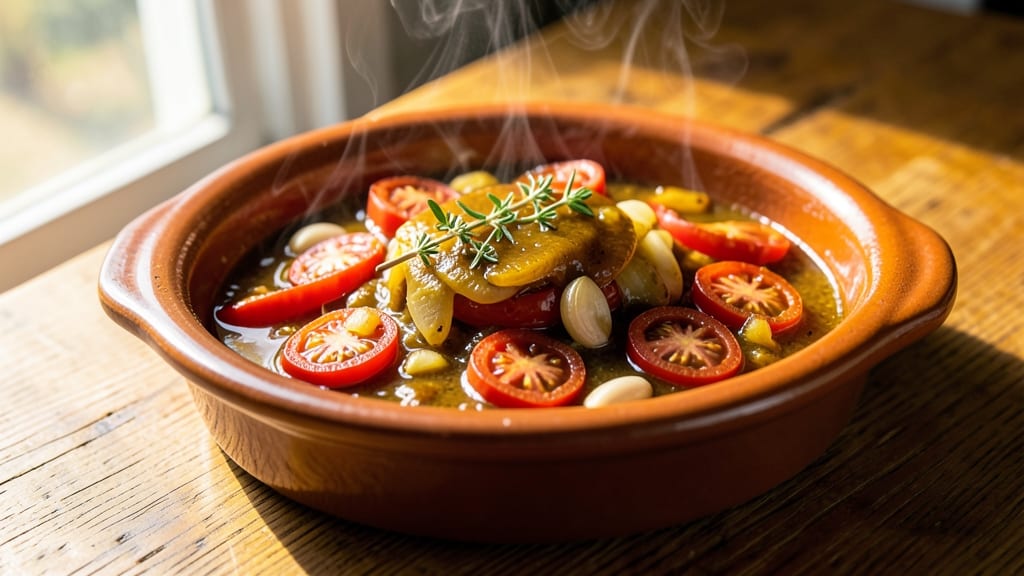
This authentic mumbo sauce recipe brings the bold, nutty flavors of West Africa to your kitchen with its signature tomato-pepper base and aromatic spices. 🌟 The secret lies in slow-cooked tomatoes, blended with garlic, onions, and a blend of earthy spices that create depth without overpowering.
I've perfected this version after years of testing—it's the sauce that transforms simple fried fish or stews into restaurant-quality meals.
The foundation of great mumbo sauce is patience. Tomatoes simmer until they break down into a rich, velvety consistency, while garlic and onions caramelize for sweetness. A touch of palm oil adds that signature nutty depth, and fresh herbs like thyme and parsley brighten the final product.
What makes this sauce truly special is its balance—tangy, slightly sweet, with just enough heat to linger.
What you'll end up with is a versatile sauce that elevates any dish it touches. Use it as a dipping sauce for fried plantains or fish, a base for stews, or even a flavorful addition to rice dishes.
The aroma alone will transport you to West African markets, and the taste will remind you why this sauce is a staple in so many homes.
Best of all, mumbo sauce keeps well in the refrigerator for up to a week, allowing you to make a big batch and enjoy it throughout the week. Here's how to create this flavorful, authentic sauce that's sure to become a kitchen essential.
Ingredients for authentic mumbo sauce
Eleven ingredients transform into West Africa's most beloved sauce—rich, tangy, and full of nutty depth.
| Ingredient | Amount | Notes |
|---|---|---|
| Fresh Tomatoes 🍅 | 4 whole | Ripe, vine-ripened preferred |
| Yellow Onions 🧅 | 1 whole | Medium size, chopped |
| Garlic Cloves 🧄 | 6 cloves | Freshly minced |
| Red Bell Peppers 🌶️ | 1 whole | Medium size, chopped |
| Palm Oil 🫒 | ½ cup | For nutty depth |
| Fresh Thyme Leaves 🌿 | ¼ cup | Or 1 tbsp dried thyme |
| Fresh Parsley Leaves 🌿 | ¼ cup | Chopped for brightness |
| Ground Black Pepper 🌶️ | 1 tsp | Freshly ground preferred |
| Ground Cumin 🌿 | 1 tsp | Toasted for warmth |
| Ground Nutmeg 🌶️ | ¼ tsp | Freshly grated |
| Salt 🧂 | 1 ½ tsp | Diamond Crystal preferred |
| Scotch Bonnet Peppers 🌶️ | 1 whole | Seeds removed for mild heat |
| Tomato Paste 🍅 | 2 tbsp | Squeeze tube preferred |
The tomatoes are the heart of this sauce, so pick the ripest ones you can find—those with a deep red color and just a little softness. I always grab heirloom varieties from the farmers market if possible, but regular vine-ripened work too. The palm oil is non-negotiable for that signature nutty flavor—African Palm Oil is the gold standard, but regular palm oil works in a pinch. For the Scotch bonnet, handle with care—those peppers pack serious heat, so remove seeds and membranes if you want milder sauce. Fresh thyme and parsley? Buy extra—you'll want them for garnish too.
No palm oil? Vegetable oil or coconut oil will work, though the flavor won't be quite the same. Running out of Scotch bonnet? Jalapeño or habanero at half the amount gives you heat without overpowering. The tomato paste can be skipped if you're using extra tomatoes, but it adds that concentrated umami punch. For the spices, toast your cumin seeds in a dry pan for 30 seconds before grinding—it makes all the difference. And if you're using dried herbs, measure them out first—they're potent stuff.
This sauce tastes even better the next day as flavors meld. Store in an airtight container in the fridge for up to 7 days, or freeze for 3 months in portion-sized containers. I always make a double batch—one for immediate use, one to freeze for lazy weeknights. The sauce thickens as it cools, so add a splash of water if it gets too stiff before serving.
Why You'll Love This Recipe
- No Chopping Chaos: I swear by this—just roughly dice the onions, smash the garlic, and toss in whole bell pepper chunks. The tomatoes soften and break down on their own while you stir, so you’re not stuck with a mountain of prep.
- Rich Without Effort: That palm oil is the MVP here. One tablespoon transforms the sauce into something velvety and deep—no fancy reductions or hours of simmering. Honestly, it’s the kind of flavor that makes you pause mid-stir and go, "Wait, is this actually that easy?"
- Weeknight to Party Fix: Slap this over rice, use it as a dip, or toss it with grilled fish—it’s my go-to when I’m low on time but high on guests. (Yes, even on a Tuesday night.) The red bell peppers add a subtle sweetness that balances the heat, so it’s never too heavy.
- Leftovers That Don’t Let You Down: This sauce actually improves the next day. The flavors meld even more, and it reheats like a dream. I make a big batch on Sundays, freeze half, and still have enough to drizzle over eggs or fry-ups all week. Budget-friendly? Absolutely. Waste-free? Even better.
Step-by-step instructions for authentic mumbo sauce
Here's how to build this West African classic—layer by layer, with all the nutty depth and vibrant heat.
🔥 Step 1: Sauté the Aromatics in Palm Oil
Heat the 0.5 cup palm oil in a medium saucepan over medium heat. Once the oil shimmers but doesn't smoke, add the 1 whole chopped yellow onions and cook for 5 minutes until softened and translucent. This is where the nutty depth begins—don't rush it.
Add the 6 cloves minced garlic and 1 whole chopped red bell peppers, stirring constantly for 2-3 minutes until fragrant. The garlic should smell pungent and the peppers slightly softened. Here's the thing—if the oil starts to smoke, reduce heat immediately. Smoky oil will overpower the delicate flavors we're building.
🍳 Step 2: Toast the Spices and Add Heat
Stir in the 1 tsp ground cumin and 0.25 tsp ground nutmeg, toasting for 30 seconds until aromatic. You'll smell that warm, earthy cumin and subtle sweetness of nutmeg—this is the foundation of mumbo's complexity. Add the 1 whole Scotch bonnet peppers (seeds removed) and cook for 1 minute to infuse the oil with just enough heat.
Now add the 1 tsp ground black pepper and 1.5 tsp salt, stirring to combine. Taste the mixture—this is your flavor baseline. It should be warm, slightly spicy, and well-seasoned. If you're using fresh thyme, add 0.1 cup now (reserve the rest for later) and cook for 30 more seconds to release its piney aroma.
🍳 Step 3: Build the Tomato Base
Push the aromatics to one side of the pan and add the 2 tbsp tomato paste, stirring constantly for 1-2 minutes until it darkens slightly and releases its concentrated flavor. This step prevents a raw tomato taste from dominating later. Return everything to the center and add the 4 whole fresh tomatoes (chopped) and remaining 0.15 cup fresh thyme leaves.
Bring to a gentle simmer, then reduce heat to low. Let it cook uncovered for 15-20 minutes, stirring occasionally, until the tomatoes break down into a thick, chunky purée. The sauce should reduce by about half—you're aiming for a thick, jammy consistency. If it's too watery, uncover and cook longer; if it's too thick, add 1-2 tablespoons water to loosen.
🥘 Step 4: Finish with Herbs and Balance
Once the tomatoes are fully broken down, remove from heat and stir in the 0.25 cup fresh parsley leaves. This adds brightness that cuts through the richness. Let the sauce sit for 5 minutes to meld all the flavors together—this resting period is crucial for depth.
Taste and adjust seasoning: you might need a bit more salt or a pinch of nutmeg to balance the acidity. The sauce should be vibrant, slightly spicy, and packed with layers of flavor. For serving, strain through a fine-mesh sieve if you prefer a smoother texture, or leave it rustic with visible tomato pieces. Either way, you've just created an authentic mumbo sauce that's ready to pair with grilled meats or fried plantains.
Pro Tips For Making Authentic Mumbo Sauce
- Char the Onions Slow: I learned this the hard way—rushing the onions in palm oil turns them bitter. Instead, cook them on low heat for 15-20 minutes until they’re deep amber, almost caramelized. The flavor builds slowly, and skipping this step means your sauce will taste flat, no matter how much garlic you add later.
- Blister the Bell Peppers: Cut red bell peppers into strips, then sear them directly in the hot palm oil for 3-4 minutes until charred in spots. This smoky depth is what separates homemade mumbo from store-bought. (Yes, even if you’re impatient like me.)
- Crush Garlic with Salt: Before adding garlic, toss the minced cloves with a pinch of salt and let sit for 5 minutes. The salt draws out moisture, preventing the garlic from burning in the oil. Trust me, your sauce won’t taste like almond extract if you do this.
- Simmer, Don’t Boil: Once everything’s cooked down, reduce heat to lowest possible and let the sauce bubble gently for at least 20 minutes. High heat turns tomatoes mushy and dulls the palm oil’s richness. Think "barely there" simmer—not a rolling boil.
Essential equipment for great authentic mumbo sauce
Heavy-Duty Saucepan
Start with a 5-6 quart heavy-bottomed saucepan—I swear by my All-Clad Stainless Steel—to handle the long simmering without scorching. The thick base of mumbo sauce demands even heat distribution, and a stainless steel or enameled cast iron pan prevents hot spots.
Avoid nonstick—it can't handle the prolonged cooking time without releasing toxic fumes. 🔥
Fine-Mesh Sieve
A fine-mesh sieve (like the OXO Good Grips) is essential for straining if you prefer a smoother sauce. The West African version often keeps texture, but I use mine to remove seeds and skin for special occasions. For rustic texture, skip straining—just let the tomatoes break down naturally. 🥄
Immersion Blender
An immersion blender (I love the Ninja Foodi) transforms chunky mumbo into a velvety sauce in seconds. After simmering, blend directly in the pot for 10-15 seconds—just enough to smooth without losing texture. This tool is a game-changer for busy weeknights when you want restaurant-quality results. ⚡
Wooden Spoon
A long wooden spoon (like the Ozeri Touch-Grip) is perfect for stirring without scratching your pan. Wood distributes heat evenly and won’t react with the acidic tomatoes. I keep one in my kitchen just for sauces—it’s my secret weapon for preventing scorching. 🌿
Palm Oil Alternative
If you can’t find African Palm Oil, keep a small bottle of vegetable oil or coconut oil on hand. While not identical, they’ll still carry the flavors.
For extra depth, add 1 tbsp peanut butter at the end—it mimics the nutty profile. Just remember: palm oil is non-negotiable for authenticity. 🫒
Storage Containers
Use glass airtight containers (like Le Creuset) for fridge storage—they preserve flavor better than plastic. For freezing, opt for silicone molds (like Lekue) to portion sauce easily. Label with dates—mumbo sauce tastes best within 7 days fresh or 3 months frozen. ❄️
Nutrition facts
Frequently asked questions
Can I make mumbo sauce without palm oil?
Yes, but the flavor will differ slightly. Use vegetable oil or coconut oil as substitutes, though they lack the signature nutty depth. For extra richness, stir in 1 tablespoon peanut butter at the end—it mimics the palm oil's earthy profile while keeping the sauce authentic.
How spicy should mumbo sauce be?
The heat level depends on your preference! Remove all seeds and membranes from the Scotch bonnet for mild heat, or leave them in for a fiery kick. For a balanced medium spice, use half a Scotch bonnet or swap it for 1 jalapeño. Always taste as you go—you can adjust with extra peppers or even a pinch of sugar to mellow the burn.
Why does my mumbo sauce taste too acidic?
Overly acidic sauce often means the tomatoes weren't cooked long enough. Let it simmer uncovered for 20-30 minutes until the tomatoes break down completely. If it's still too tart, balance it with 1 teaspoon sugar or ½ teaspoon more nutmeg, which adds warmth to counteract acidity. A splash of coconut milk can also help smooth the flavors.
Can I make mumbo sauce in a slow cooker?
Sauté the onions, garlic, and spices as directed, then transfer everything to a 3-4 quart slow cooker. Cook on low for 4-5 hours, stirring occasionally, until the tomatoes are fully broken down. The slow cooker method actually enhances the sauce's depth—just watch the water level and add small amounts if needed to prevent burning.
What's the best way to use leftover mumbo sauce?
This versatile sauce elevates so many dishes! Use it as a dipping sauce for fried fish or plantains, stir into rice or couscous, or drizzle over grilled meats. For extra flavor, simmer with chicken or shrimp for a quick stew. Freeze leftovers in ice cube trays for easy portioning—just thaw and reheat for instant flavor.