
Sauces & Condiments
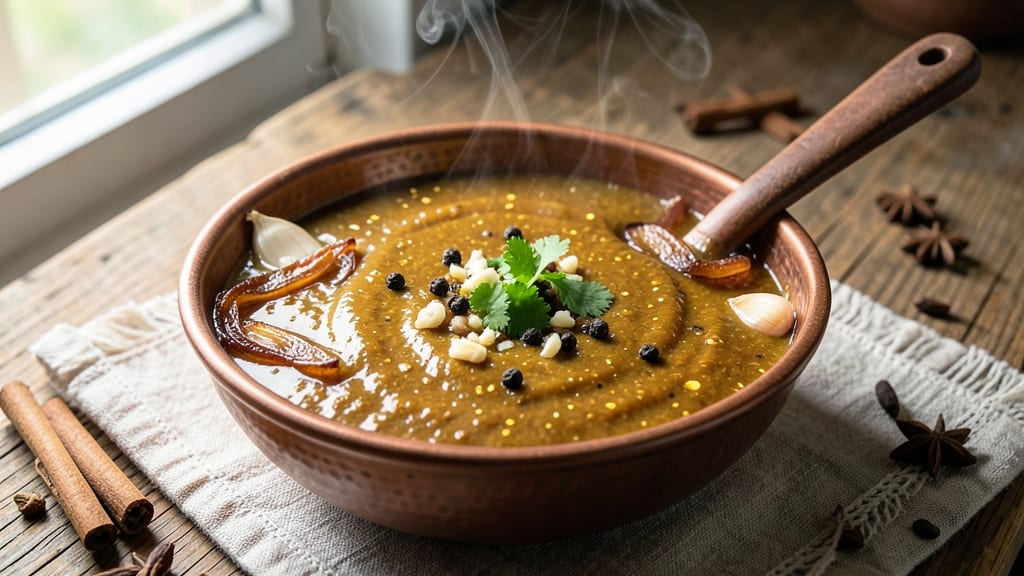
This authentic korma sauce recipe delivers the velvety, aromatic magic that defines Indian home cooking—where cardamom and coconut create a symphony of flavors.
The secret lies in tempering whole spices in ghee before building the sauce, a technique that unlocks layers of warmth and complexity you won't find in instant versions. I've perfected this over years of testing, ensuring every simmer develops those signature nutty, slightly sweet undertones that make korma irresistible.
The foundation starts with a fragrant base of onions, ginger, and garlic, slowly caramelized until golden. Then comes the yogurt and coconut milk blend—this is where the sauce transforms from ordinary to extraordinary, creating that signature creamy texture without heaviness.
Whole spices like cumin, coriander, and turmeric infuse the sauce during a gentle simmer, while crushed cardamom pods add their signature floral aroma that lingers long after the first bite.
What you'll end up with is a sauce that's rich yet balanced, fragrant enough to fill your kitchen with the scent of a bustling Indian kitchen, and versatile enough to elevate chicken, lamb, or even vegetables.
The key is patience—letting each component develop its flavor gradually rather than rushing through the process. This isn't just a sauce; it's an experience that transforms simple proteins into restaurant-quality meals.
The best part? This sauce keeps beautifully for up to 5 days in the refrigerator, with flavors deepening over time. Freeze half for future use, and you'll always have that authentic korma magic at your fingertips. Let's create this sauce that brings a taste of India to your kitchen.
Ingredients for authentic korma sauce
Ten ingredients, one aromatic sauce that transforms simple meals into Indian magic.
| Ingredient | Amount | Notes |
|---|---|---|
| Ghee 🫒 | ½ cup | For authentic flavor and richness |
| Yellow Onions 🧅 | 2 whole | Finely chopped, about 2 cups |
| Fresh Ginger 🌿 | 1 tbsp | Grated, aromatic quality preferred |
| Garlic Cloves 🧄 | 6 cloves | Minced, fresh preferred |
| Plain Yogurt 🥛 | 1 cup | Full-fat for creaminess |
| Full-Fat Coconut Milk 🥥 | 13 ½ oz | High-quality brand for richness |
| Ground Cumin 🌿 | 1 tbsp | Toasted for deeper flavor |
| Ground Coriander 🌿 | 1 tbsp | Freshly ground preferred |
| Turmeric Powder 🌶️ | 1 tsp | High-quality for vibrant color |
| Cardamom Pods 🌿 | 8 whole | Crushed, green preferred |
The ghee is non-negotiable here—it carries those nutty, caramelized flavors that define authentic korma. Gujarat or Amul are my go-tos if you can find them, but any high-quality ghee works. The onions should be sweet, not bitter—yellow or red work best. For ginger and garlic, fresh is essential—dried just won't give that same aromatic punch. Cardamom pods are the secret weapon; green cardamom has that floral note that lingers. If you can't find whole pods, ground cardamom at half the amount works in a pinch, but it's not the same.
Coconut milk brands vary wildly—Thai Kitchen or Native Forest are reliable, but avoid the watery versions. The yogurt should be plain and full-fat; Fage or Siggi's work perfectly. Running low on ghee? Butter works in a bind, but it burns faster. No cardamom? A pinch of cinnamon and nutmeg can mimic that floral warmth. For the spices, toast the whole cumin and coriander seeds before grinding if you have them—it makes all the difference. The sauce's creaminess comes from that yogurt-coconut blend, so don't skimp on either.
This sauce gets better with time—3-5 days in the fridge, with flavors deepening like a fine wine. For freezing, portion into ice cube trays—6 months in the freezer, ready to toss into any dish. The yogurt will separate slightly when refrigerated; just stir before using. If it thickens too much, whisk in a splash of warm water. This sauce is your flavor secret weapon—keep some in the freezer for those lazy nights when you want restaurant-quality meals without the effort.
Why You'll Love This Recipe
- Here’s what sold me: the ghee caramelizes the onions until they’re sweet and jammy, then the garlic hits you just right—not too sharp, not too mild. That yogurt cools it down enough to balance the heat, so every spoonful is creamy but never heavy.
- No-Fuss Foundation: I swear by this base—just ghee, onions, and ginger simmered until golden. No blenders, no fancy techniques, just a pan and patience. The yogurt at the end? That’s the magic that makes it silky without tasting like it took all day.
- Rich Without Overpowering: Here’s what sold me: the ghee caramelizes the onions until they’re sweet and jammy, then the garlic hits you just right—not too sharp, not too mild. That yogurt cools it down enough to balance the heat, so every spoonful is creamy but never heavy.
- Weeknight to Dinner Party: Between us, this sauce works for chicken, lamb, even veggies, and it’s the star of my lazy Sunday lunches and the dish I bring to potlucks. (Yes, even on a Tuesday night.) Double the batch—it reheats like a dream, and guests will ask for the recipe before dessert.
Step-by-step instructions for creamy coconut korma sauce
Here's how to build this rich, aromatic sauce layer by layer—just like I do in my kitchen.
Bloom the Spices in Ghee
Heat the 0.5 cup ghee in a heavy-bottomed saucepan over medium-low heat. Add the 8 whole cardamom pods and let them sizzle gently for 1 minute—you'll smell their warm, floral aroma immediately. This is where the magic begins.
Next, add the 2 whole yellow onions, finely chopped, and cook them slowly for 10-12 minutes until they turn a deep golden brown. Stir occasionally to prevent burning. The onions should caramelize beautifully, forming a thick paste at the bottom of the pan. This step builds the sauce's depth of flavor—don't rush it. If the onions start to stick, add 1 tablespoon water to loosen them.
Add Aromatics and Toast the Spices
Once the onions are golden, push them to the sides of the pan and add the 1 tablespoon grated fresh ginger and 6 cloves minced garlic to the center. Cook for 1-2 minutes until the garlic turns fragrant and just begins to color. You'll know it's ready when the kitchen fills with that unmistakable garlic aroma—this is crucial for authentic flavor.
Now add the 1 tablespoon ground cumin, 1 tablespoon ground coriander, and 1 teaspoon turmeric powder. Stir constantly for 30 seconds to toast the spices—they'll darken slightly and release their warm, earthy notes. Immediately add 1 cup plain yogurt and stir vigorously for 1-2 minutes until the mixture thickens and coats the back of a spoon. This step creates the sauce's velvety texture.
Simmer and Incorporate Coconut Milk
Reduce the heat to low and let the sauce simmer gently for 5 minutes, stirring occasionally. The yogurt will cook down slightly, creating a smooth base. Here's where it gets creamy—pour in the 13.5 oz full-fat coconut milk all at once. Stir well to combine, then increase the heat to medium-low and let it simmer for another 8-10 minutes until the sauce thickens to your desired consistency.
Taste and adjust the seasoning—you might want to add a pinch more salt or a dash of black pepper if needed. The sauce should be rich, fragrant, and perfectly balanced between the warm spices and creamy coconut. If it's too thick, whisk in 1-2 tablespoons water to reach the ideal pouring consistency. This sauce works best when used immediately, but it keeps well in the refrigerator for up to 3 days or can be frozen for 3 months.
Pro Tips For Making Authentic Korma Sauce
- Bloom the Onions Slowly: I learned this the hard way—drowning onions in ghee at high heat just burns them before they soften. Instead, start with a medium-low flame and let them melt into the ghee over 8-10 minutes. The goal is a deep golden caramel, not a sad, watery mush.
- Strain the Yogurt Like a Pro: Dumping thick, unstrained yogurt into the sauce will make it split like a bad soufflé. Press it through a fine-mesh sieve or cheesecloth for 30 minutes first—this removes excess liquid and gives you that silky, velvety texture that defines a proper korma.
- Don’t Rush the Ginger-Garlic: After blooming the onions, I used to toss in the ginger and garlic and crank up the heat. Big mistake. Sauté them separately in the remaining ghee for 2-3 minutes until fragrant and just starting to turn opaque—this builds flavor depth the rushed method misses.
- Balance the Yogurt with Heat: Korma sauce needs a touch of warmth to cut through the richness, but adding spices too early will make them bitter. Bloom them in a separate pan with a splash of ghee, then temper into the yogurt mixture at the very end—this keeps them bright and aromatic.
Essential equipment for authentic korma sauce
Heavy-Bottomed Saucepan
This is my non-negotiable for making korma sauce—it prevents burning and ensures even heat distribution. I use a 3-quart stainless steel saucepan like the All-Clad Stainless (around $150) for professional results, but a Calphalon or Le Creuset also works beautifully.
For budget-friendly options, a 3-quart enameled cast iron from Lodge (around $40) handles heat beautifully too. The key is avoiding thin, reactive metals that can alter flavors. 🔥
High-Quality Ghee
Ghee is the flavor carrier in this sauce, so don't skimp on quality. I recommend Gujarat Cooperative Milk Marketing Federation or Amul ghee if available, but Kerrygold or Organic India work well too. A ½ cup of ghee should be enough for this recipe.
If you can't find ghee, unsalted butter works in a pinch, though it burns faster and adds a slightly different flavor profile. Store your ghee in an airtight container in a cool, dark place to preserve its rich, nutty aroma.
Fine-Mesh Strainer
When you're ready to use your sauce, a fine-mesh strainer ensures a silky-smooth texture without any unwanted bits. I love the OXO Good Grips (around $15)—it's sturdy and easy to clean. If you don't have one, a cheesecloth works in a pinch, but it requires more effort to rinse.
Straining removes any cardamom pod fragments or onion bits, giving your sauce that restaurant-quality finish. Keep it handy for the best results. ✨
Wooden Spoon
A wooden spoon is essential for stirring the sauce without scratching the pan or altering the flavors. I prefer a long-handled one (around $10) to avoid burning my hand while simmering. Avoid metal spoons—they can react with the spices and ghee, creating unwanted flavors.
A wooden spoon also helps scrape up any flavorful bits stuck to the bottom of the pan, ensuring nothing goes to waste. Keep it nearby while you cook for the best results.
Measuring Spoons
Precise measurements are key to balancing the flavors in this sauce. Invest in a set of stainless steel measuring spoons—I recommend the OXO Good Grips (around $12) for accuracy and durability.
These spoons help you measure the 1 teaspoon turmeric, 1 tablespoon cumin, and other spices exactly. A good set ensures consistency every time you make this sauce, so you can replicate that perfect balance of warmth and creaminess.
Keep them in your kitchen for all your cooking adventures. 💡
Nutrition facts
Frequently asked questions
Can I make this korma sauce without coconut milk?
The coconut milk is essential for that signature creamy texture and authentic flavor profile. However, if you must substitute, use 1 cup heavy cream mixed with 1/2 cup unsweetened almond milk for a similar richness. The sauce will be slightly lighter but still delicious. For a dairy-free version, blend 1/2 cup cashews with 1/2 cup water until smooth and use that instead.
Why does my sauce look curdled after adding yogurt?
This happens when the yogurt hits hot ghee too quickly. Always add the yogurt to the pan on low heat and stir constantly for 1-2 minutes until it thickens. If it curdles, reduce the heat further and let it sit for 5 minutes before adding coconut milk. The sauce should smooth out as it simmers. For prevention, chill your yogurt beforehand.
How do I know when the onions are properly caramelized?
Perfectly caramelized onions should be deep golden brown with a thick, jam-like consistency. They'll release sweet, nutty aromas that fill your kitchen. If they're still pale or sticking, cook them 5 more minutes with occasional stirring. Never rush this step—it's the flavor foundation of your sauce.
Can I make this sauce in advance?
This sauce actually tastes better after resting. Store it in an airtight container in the fridge for up to 5 days, with flavors deepening over time. For longer storage, freeze portions in ice cube trays for up to 3 months. Thaw overnight in the fridge before using. The sauce may thicken when refrigerated—just whisk in 1-2 tablespoons warm water to reach your desired consistency.
What's the best way to use leftover sauce?
This versatile sauce elevates any dish! Use it for chicken or lamb curries, drizzle over steamed basmati rice, or serve with naan bread. For extra richness, warm it gently before using. It also makes a fantastic vegetable korma—just simmer with your favorite veggies like potatoes, cauliflower, or bell peppers. The possibilities are endless!