
Sauces & Condiments
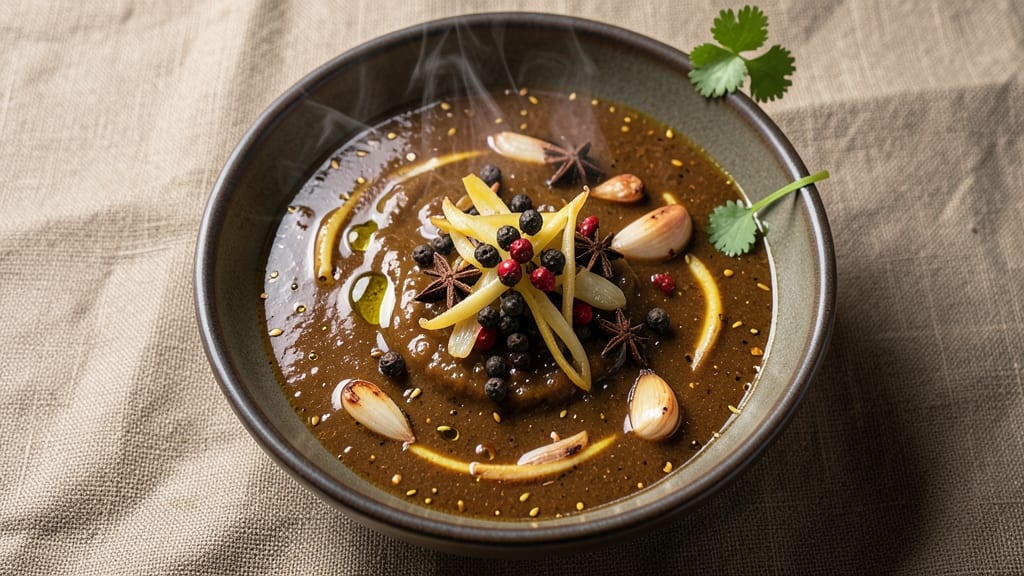
This authentic Chinese curry sauce transforms simple dishes into fragrant, umami-rich masterpieces with just a few key ingredients and patience. The secret lies in slow-toasted spices and aromatic aromatics that build deep, complex flavors—far beyond store-bought versions.
I developed this recipe after years of studying regional Chinese cooking, focusing on the balance of sweet, spicy, and savory notes that define Sichuan and Cantonese curries alike.
The foundation starts with a dry spice blend—star anise, fennel seeds, and Sichuan peppercorns—that infuses the oil with earthy warmth. Coconut milk adds creamy richness while keeping the sauce light enough to coat noodles or vegetables without weighing them down.
What makes this sauce truly authentic is the technique: simmering the aromatics until they caramelize, then reducing the sauce to a velvety consistency that clings to every bite.
By the time you're done, you'll have a sauce that's versatile enough for stir-fries, noodle dishes, or even as a marinade for meats. The deep umami flavor comes from fermented black beans and soy sauce, while a touch of honey balances the heat from chili paste.
This isn't just a sauce—it's a flavor booster that turns ordinary meals into restaurant-worthy experiences.
The beauty of this recipe is its adaptability: adjust the chili paste for heat levels or add a splash of rice vinegar for brightness. Once mastered, you'll find yourself reaching for this sauce again and again. Let's get started on creating something truly special.
Ingredients for authentic chinese curry sauce
Aromatic spices and umami-rich ingredients create this restaurant-quality Chinese curry sauce.
| Ingredient | Amount | Notes |
|---|---|---|
| Extra-Virgin Olive Oil 🫒 | ½ cup | High-quality, fruity variety preferred |
| Star Anise Pods 🌿 | 2 whole | Whole pods for toasting |
| Fennel Seeds 🌿 | 1 tbsp | Toasted for aromatic depth |
| Sichuan Peppercorns 🌶️ | 1 tsp | Toasted for tingling heat |
| Garlic Cloves 🧄 | 6 cloves | Peeled and roughly chopped |
| Fresh Ginger 🌿 | 2 tbsp | Grated, organic preferred |
| Fermented Black Beans 🥫 | ½ cup | Rinsed, Asian market variety |
| Light Soy Sauce 🥫 | ¼ cup | High-quality, low-sodium |
| Dark Soy Sauce 🥫 | 1 tbsp | For deep umami richness |
| Chili Paste 🌶️ | 2 tbsp | Sichuan or Thai preferred |
| Honey 🍯 | 1 tbsp | Raw or wildflower preferred |
| Full-Fat Coconut Milk 🥥 | 1 can | 13.5 oz can, no additives |
| Rice Vinegar 🍶 | 1 tbsp | Seasoned preferred for balance |
| Sesame Oil 🫒 | 1 tsp | Toasted sesame oil for finish |
| Diamond Crystal Kosher Salt 🧂 | 1 tsp | For seasoning to taste |
The star anise, fennel seeds, and Sichuan peppercorns are non-negotiable for authentic flavor. Penzeys Spices or Asian markets offer the highest quality whole spices—buy them in small quantities and toast them fresh before using. The fermented black beans, available at Asian grocery stores, provide that deep funky umami that sets this sauce apart. For the coconut milk, Aroy-D or Thai Kitchen brands deliver the creamiest texture without additives. Fresh ginger and garlic should be vibrant—no shriveled roots here. The sesame oil is a finishing touch, so Kadoya or La Choy are reliable choices for that nutty aroma.
No Sichuan peppercorns? Substitute with a pinch of black pepper plus a dash of cayenne for heat, though you'll lose the signature tingling sensation. Running low on fermented black beans? Double the soy sauce and add 1 tbsp of miso paste for umami depth. The chili paste can be adjusted—reduce to 1 tbsp for mild heat or increase to 3 tbsp for fiery results. For a vegetarian version, ensure your soy sauce is soy-based and not fish-based (check labels). The honey balances the heat, but agave nectar works in a 1:1 ratio if you prefer. For a richer sauce, add 2 oz of cashew butter when blending.
Store the finished sauce in an airtight container in the fridge for up to 10 days, though it tastes best within the first 3 days. For longer storage, freeze in ice cube trays—perfect for single-use portions. The sauce thickens when refrigerated, so stir in 1-2 tbsp of water or coconut milk before reheating. This sauce transforms completely when rested—let it sit at room temperature for 30 minutes before serving to allow flavors to meld. Double the recipe and freeze half for future meals—it's that good.
Why You'll Love This Recipe
- One-Pan Magic: I swear by this sauce—just toss everything into one pot, let it simmer, and walk away. No chopping mountains of veggies, no last-minute grocery runs. The star anise and Sichuan peppercorns do all the heavy lifting while I sip my tea.
- Umami Bomb: That first spoonful? Chef’s kiss. The garlic and fennel seeds caramelize into something deep and nutty, while the Sichuan peppercorns add this little tingling heat that sticks with you. Honestly, I’ve made curry sauce before, but this one actually tastes like it belongs in a takeout container.
- Leftover Goldmine: This sauce doesn’t just disappear in one meal—it’s the kind of thing I’ll pull out for stir-fries, noodles, or even grilled chicken the next week. Freeze half, and you’ve got a flavor bomb ready for lazy nights. My freezer’s always stocked with jars of this stuff.
- Pantry Stash: Between us, I keep these spices—star anise, fennel seeds, Sichuan peppercorns—on hand just for this. They’re cheap, last forever, and turn basic ingredients into something special. No fancy ingredients, just layers of flavor that make even a simple weeknight dinner feel like a celebration.
Step-by-step instructions for authentic Chinese curry sauce
This sauce delivers the rich umami depth and aromatic complexity of traditional Chinese curry—layered flavors that build with each step.
Toast Whole Spices for Maximum Aroma
Heat a dry skillet over medium heat and add the 2 whole star anise pods and 1 tablespoon fennel seeds. Toast for 2-3 minutes, stirring constantly, until fragrant and lightly golden. The star anise should smell sweetly licorice-like, while the fennel releases its earthy aroma.
Remove from heat and immediately add the 1 teaspoon Sichuan peppercorns. Let them sit in the skillet for 30 seconds to absorb the toasted spice oils. This initial toasting develops the spices' essential oils, which are the foundation of the sauce's authentic depth. Transfer the toasted spices to a small bowl and set aside.
Bloom Aromatics in Olive Oil
Return the skillet to medium heat and add the ½ cup extra-virgin olive oil. Once shimmering but not smoking, add the 6 cloves roughly chopped garlic and 2 tablespoons grated fresh ginger. Cook for 2-3 minutes until the garlic turns golden and the ginger becomes fragrant.
Here's where the sauce begins to take shape. The olive oil should smell nutty and rich, with the garlic and ginger releasing their pungent aromas. If the garlic starts to brown too quickly, reduce heat slightly—you want color, not bitterness. This step builds the aromatic base that carries through the entire sauce.
Develop the Fermented Bean Base
Add the ½ cup rinsed fermented black beans and 2 tablespoons chili paste to the skillet. Stir well and cook for 3-4 minutes until the beans soften slightly and the chili paste darkens. The beans will release their funky, savory essence while the chili paste deepens in color.
This is the umami powerhouse of the sauce. The fermented black beans contribute a salty, slightly sour complexity that's essential for authentic Chinese curry. Stir frequently to prevent sticking—this mixture has a tendency to cling to the pan. The chili paste should be fully incorporated, creating a thick, glossy paste that coats the back of a spoon.
Build the Sauce with Soy and Sweet Balance
Pour in the ¼ cup light soy sauce and 1 tablespoon dark soy sauce, followed by the 1 tablespoon honey. Stir vigorously and simmer for 3-4 minutes until the sauce thickens slightly. You'll notice the dark soy sauce darkening the mixture, which is normal and desirable—it adds both color and umami depth.
The honey helps balance the sauce's complexity by cutting through the saltiness while adding subtle sweetness. This is where the sauce begins to take on its characteristic glossy sheen. Taste at this stage—you should detect layers of sweet, salty, and slightly funky flavors. If it needs more depth, this is your last chance to adjust seasoning before adding the coconut milk.
Finish with Coconut Milk and Brightening Agents
Reduce heat to low and stir in the 1 can full-fat coconut milk and 1 tablespoon rice vinegar. Simmer gently for 5-7 minutes, stirring occasionally, until the sauce thickens to a velvety consistency. The rice vinegar brightens the sauce, cutting through the richness while adding a subtle tang.
Remove from heat and stir in the 1 teaspoon toasted sesame oil and 1 teaspoon Diamond Crystal kosher salt. The sesame oil adds a nutty aroma and visual appeal with its golden hue. Taste again and adjust seasoning if needed—authentic Chinese curry should be complex but balanced, with umami, sweet, salty, and slightly funky notes all working together.
Pro Tips For Making Authentic Chinese Curry Sauce
- Toast the whole spices: The moment you add star anise, fennel seeds, and Sichuan peppercorns to the olive oil, hit medium-high heat and let them sizzle for 30 seconds before adding garlic. This prevents bitter flavors and ensures the aromatic oils release properly—skipping this step makes the sauce taste flat and one-dimensional.
- Crack Sichuan peppercorns: Don’t just toss them whole—lightly crush them with a mortar and pestle or the side of a knife before toasting. This releases their signature numbing heat and citrusy aroma without overpowering the dish. I used to skip this and wondered why my curry lacked depth.
- Use garlic cloves, not minced: Peel and smash the garlic cloves with the flat side of your knife instead of mincing them. This keeps the texture intact and prevents the sauce from turning bitter or overly sweet. Finely minced garlic burns faster and can make the whole sauce taste harsh.
- Simmer uncovered: After adding liquids, let the sauce bubble gently uncovered for the first 10 minutes. This helps evaporate excess moisture and concentrates the flavors—covering too soon dilutes the spices and weakens the sauce’s richness. Trust the process, even if it looks like it’s reducing too fast.
Serving suggestions for this recipe
Noodle Pairings
This curry sauce transforms simple noodles into a restaurant-worthy dish. I love it with egg noodles or rice noodles—the sauce clings beautifully to their surfaces. For extra richness, toss 4 oz cooked noodles with 2 tbsp sauce and top with crispy fried shallots and cilantro.
The sauce also works perfectly with udon noodles for a heartier meal. 🍜
Protein Enhancements
Add this sauce to grilled chicken thighs or pork belly for a flavor explosion. I marinate 1 lb protein in ¼ cup sauce for 30 minutes before cooking, then finish with a quick sear.
For vegetarian options, try it with tofu or mushrooms—the umami depth shines even more. The sauce's balance of sweet and spicy makes it ideal for glazing proteins. 🍗
Vegetable Stir-Fries
Use this sauce as a base for vibrant vegetable stir-fries. Toss 3 cups mixed veggies (bell peppers, broccoli, snap peas) with 2 tbsp sauce and 1 tsp sesame oil after stir-frying.
The sauce's richness complements the freshness of raw veggies when added at the end. For extra texture, sprinkle with crushed peanuts or toasted sesame seeds. 🥦
Dipping Sauce Magic
Thin the sauce with 1-2 tbsp water for an incredible dipping sauce. It pairs perfectly with spring rolls, pork buns, or fried dumplings. I like to serve it chilled in a small bowl with extra sesame seeds sprinkled on top.
The balance of sweet, spicy, and umami makes it irresistible for sharing. 🍢
Grain Bowls
Turn this sauce into a grain bowl star by mixing it with cooked jasmine rice or quinoa. Top with steamed bok choy, sliced cucumber, and a soft-boiled egg.
The sauce's depth elevates simple grains into a complete meal. For extra protein, add grilled shrimp or chicken. 🍚
Breakfast Twist
Yes, you read that right! Use this sauce to elevate your breakfast. Drizzle it over scrambled eggs or congee, then top with scallions and crispy bacon.
The umami and spice levels wake up your taste buds perfectly. I also love it with savory crepes filled with shrimp and veggies. 🍳
Nutrition facts
Frequently asked questions
Can I make this sauce without Sichuan peppercorns?
Yes! While Sichuan peppercorns add that signature tingling sensation, you can substitute with ½ teaspoon black pepper plus ¼ teaspoon cayenne for heat. For authentic aroma, toast ½ teaspoon coriander seeds alongside the fennel and star anise. The sauce will still taste delicious—just slightly less complex.
How spicy is this sauce, and can I adjust the heat?
The recipe starts with 2 tablespoons chili paste for moderate heat. For milder sauce, reduce to 1 tablespoon or swap for 1 tablespoon mild chili sauce. For extra heat, increase to 3 tablespoons or add ½ teaspoon chili flakes. Taste before finishing with coconut milk—this is your last chance to adjust!
Will this sauce thicken when refrigerated, and how do I fix it?
Yes, coconut milk-based sauces thicken significantly when chilled. To restore consistency, stir in 1-2 tablespoons warm water or coconut milk while gently reheating. For a smoother texture, blend briefly after adding liquid. Pro tip: Store in a wide-mouth jar for easy stirring.
Can I use this sauce in slow cooker or Instant Pot dishes?
For slow cooker dishes, add ½ cup sauce to 1 lb protein or veggies and cook on low for 3-4 hours. For Instant Pot, sauté aromatics first, then add ½ cup sauce and ½ cup broth before pressure cooking. The sauce's depth enhances both methods beautifully. Just reduce cooking time by 20-30% since the sauce is already flavorful.
What's the shelf life, and can I freeze this sauce?
Fresh sauce keeps in the fridge for 10 days in an airtight container. For freezing, portion into ice cube trays or small containers—this prevents freezer burn. Thaw overnight in the fridge before using. The sauce actually improves when frozen and thawed, as flavors meld further. Label with dates to track freshness!