
Sauces & Condiments
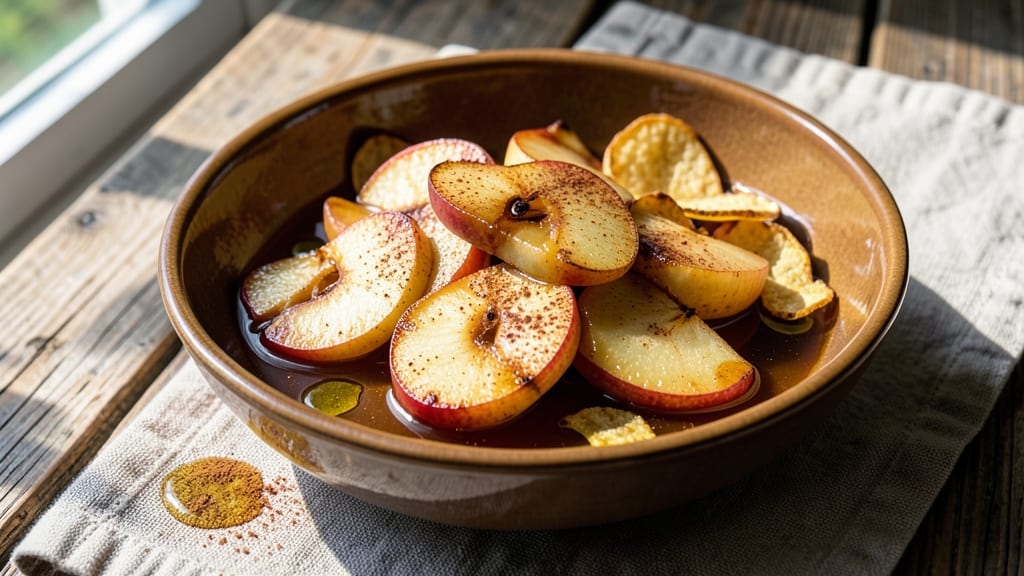
This apple reduction sauce recipe transforms simple apples into a rich, intensely flavored condiment that elevates everything from pork tenderloin to cheese boards. The secret lies in slow simmering—concentrating natural sweetness and caramelized depth into a glossy, syrupy sauce that clings beautifully to proteins or drizzles over desserts.
I've perfected this method to deliver restaurant-quality results in just 15 minutes of active time, with no special equipment beyond a saucepan and wooden spoon.
The magic happens when you balance tart apples with just enough sugar to caramelize (not overwhelm) and a splash of acid—lemon juice or vinegar—to brighten the flavors. A pinch of cinnamon or star anise adds warmth, but the sauce remains versatile enough to adapt to sweet or savory dishes.
What starts as a simple fruit mixture becomes a velvety, aromatic sauce with a perfect balance of sweetness and tang.
Once reduced, this sauce transforms ordinary meals into something special—imagine it glaze on roasted pork, drizzled over vanilla ice cream, or paired with sharp cheddar on a charcuterie board.
The concentrated flavor means you only need a small amount to make a big impact, and it keeps beautifully in the fridge for up to two weeks. It's the kind of versatile sauce that belongs in every cook's repertoire.
Ready to make it? We'll walk through the exact technique for achieving that perfect consistency—no lumps, no bitterness—plus tips for customizing the flavor to suit your dish. Let's get started.
Ingredients for apple reduction sauce
Eight simple ingredients transform into a velvety sauce with restaurant-quality depth.
| Ingredient | Amount | Notes |
|---|---|---|
| Honeycrisp Apples 🍎 | 2 lbs | Peeled, cored, chopped into even pieces |
| Granulated Sugar 🍚 | 1 cup | Light brown sugar for caramel depth |
| Apple Cider Vinegar 🍶 | 2 tbsp | Or lemon juice for brightness |
| Ground Cinnamon 🌿 | 1 tsp | Or pinch of star anise for warmth |
| Water 💧 | ½ cup | For initial simmering |
| Extra-Virgin Olive Oil 🫒 | 1 tbsp | For glossy finish |
| Salt 🧂 | ½ tsp | Diamond Crystal preferred |
| Fresh Lemon Juice 🍋 | 1 tbsp | Optional for extra tang |
The apples make or break this sauce. Honeycrisp delivers the perfect balance of sweetness and tartness, but Granny Smith or Braeburn work too—just adjust sugar to taste. Most grocery stores carry Honeycrisp year-round, but local orchards in fall offer the freshest, most flavorful fruit. Avoid apples with bruises or soft spots—those release bitter compounds during cooking. For a quicker trip, pre-chop the apples at home and store them in the fridge until ready to use, but chopping right before cooking preserves the most flavor. The sugar isn't just for sweetness—it's what creates that glossy caramelized texture during reduction.
No apple cider vinegar? White wine vinegar or balsamic works in a pinch, though the flavor profile shifts slightly. Running short on cinnamon? Vanilla bean or cardamom adds warmth without overpowering. The olive oil might seem like an afterthought, but it's what gives the finished sauce that silky mouthfeel. Trader Joe's has an affordable extra-virgin option that works perfectly, though any fruity, high-quality oil will do. For a deeper flavor, toast the cinnamon in a dry pan for 30 seconds before adding it to the sauce—trust me, it makes a difference. If you're feeling adventurous, swap the sugar for date syrup or maple syrup for a more complex flavor profile.
This sauce keeps beautifully in the fridge for up to 2 weeks—the flavors actually deepen over time. Store it in a sealed jar with a thin layer of olive oil on top to preserve that glossy finish. For longer storage, freeze in ice cube trays and transfer to a bag once solid—perfect for single-use portions. The sauce reheats beautifully on the stovetop or in the microwave, though I prefer stovetop for that professional touch. Double the recipe if you're planning to use it on multiple dishes—it disappears fast when drizzled over desserts or glazed on proteins. The first batch always seems to vanish before you can snap a photo, so make extra.
Why You'll Love This Recipe
- No-Peel Hassle: I swear by Honeycrisp apples here—they’re sweet enough to skip the peeling. Just core, chop, and toss them in the pot. That’s it. No fuss, no mess, and no wasted time scrubbing skins.
- Sweet-Tart Magic: The apple cider vinegar cuts through the sugar just enough to keep it bright, not cloying. A pinch of cinnamon? That’s the secret—warm, cozy, and addictive in the best way. (Yes, I’ll take seconds.)
- Pantry Staple Flex: This sauce works on everything—drizzled over oatmeal, stirred into yogurt, or spooned onto toasted sourdough. Honestly, I’ve even used it as a glaze for roasted pork. The possibilities are endless, and the ingredients? You’re already stocked.
- Make-Ahead Gold: Simmer it down, let it cool, then store it in the fridge for up to a week. Or freeze it in ice cube trays for quick drizzles later. Between us, I’ve reheated a batch straight from the freezer and no one could tell. Zero waste, maximum convenience.
Step-by-step instructions for apple reduction sauce
Here's how to transform fresh apples into a rich, velvety sauce that's perfect for drizzling over meats, desserts, or even yogurt.
Prepare and Simmer the Apple Mixture
In a large, heavy-bottomed saucepan, combine the 2 lbs Honeycrisp Apples, 1 cup Granulated Sugar, 2 tbsp Apple Cider Vinegar, 1 tsp Ground Cinnamon, and 0.5 cup Water. Stir gently to ensure the sugar dissolves and the apples are fully submerged. Place the pan over medium-high heat and bring the mixture to a boil.
Once boiling, reduce the heat to medium-low and let it simmer uncovered for 10-12 minutes. You'll notice the apples softening and breaking down, and the mixture will begin to thicken slightly. Stir occasionally to prevent sticking—this is where patience pays off. The sauce should start to take on a deeper golden hue, signaling the natural sugars are caramelizing.
Cook Until Thick and Syrupy
Continue simmering for another 8-10 minutes, stirring frequently, until the sauce reduces significantly and becomes syrupy. You're aiming for a consistency where it coats the back of a spoon smoothly. The apples should be completely broken down, and the mixture should smell intensely sweet with a warm, spiced aroma.
Here's the thing—don't rush this step. The longer you simmer, the more concentrated the flavors become. If the sauce starts to stick or burn, add 1-2 tablespoons of water to loosen it. You'll know it's ready when it thickens to a glossy, jam-like texture with a deep amber color. This is the moment that matters: the transformation from fresh apples to a rich, complex sauce.
Finish with Olive Oil and Lemon Juice
Remove the pan from heat and let it cool slightly for 2-3 minutes. Stir in the 1 tbsp Extra-Virgin Olive Oil and 1 tbsp Fresh Lemon Juice, along with the 0.5 tsp Salt. The olive oil adds a luxurious sheen and balances the sweetness, while the lemon juice brightens the flavors and cuts through the richness. Taste and adjust the seasoning—you might want to add a pinch more salt or a splash more lemon juice to suit your preference.
For an extra-smooth texture, you can strain the sauce through a fine-mesh sieve to remove any remaining apple bits, but I prefer to leave it slightly rustic for texture. If you choose to strain, press the solids gently with a spoon to extract every last drop of sauce. Transfer the finished sauce to a clean jar or bowl and let it cool to room temperature before serving.
Store and Use Your Sauce
This sauce keeps beautifully in the refrigerator for up to 1 week in an airtight container. For longer storage, transfer it to a sterilized jar and refrigerate for up to 3 months. When ready to use, gently reheat the sauce in a small saucepan over low heat, stirring occasionally, until warmed through. Avoid boiling it again, as this can make it too thin and lose its concentrated flavor.
Use your apple reduction sauce in endless ways—drizzle it over roasted pork, spoon it onto pancakes or waffles, or swirl it into vanilla ice cream for a sophisticated twist. The depth of flavor makes it a standout addition to both sweet and savory dishes. Trust me, once you taste this sauce, you'll want to make it again and again.
Pro Tips For Making Apple Reduction Sauce
- PEEL AND CORE APPLES THIN: Honeycrisp apples have thick skins that resist softening—peel them just enough to remove the tough outer layer, but leave the pale yellow flesh intact. I learned this the hard way when my sauce turned grainy from unpeeled bits. A paring knife works best; don’t rush it.
- START WITH HIGH HEAT: Bring the sauce to a rapid boil first, then drop to medium-low. The initial high heat breaks down the pectin faster, giving you a smoother reduction in half the time. I used to simmer gently and ended up with a watery mess—don’t make that mistake.
- WEIGH THE APPLES: Chopped apples shrink unpredictably, so weigh them before dicing. For a balanced sauce, use a 2:1 ratio of apples to sugar (e.g., 500g apples to 250g sugar). My first batch was cloyingly sweet because I eyeballed it.
- STIR AND DEGLAZE: Scrape the bottom of the pot every few minutes—those stuck-on bits pack flavor. After reducing, splash in 1 tablespoon of apple cider vinegar, then simmer 30 seconds to cut sweetness and sharpen the sauce. It’s the detail that makes the difference.
Regional styles of apple reduction sauce
French Normandy Style
In Normandy, France, apple reduction sauces take center stage with calvados, a local apple brandy. Replace the apple cider vinegar with 2 tbsp calvados and reduce the sugar to ½ cup—the brandy adds depth and warmth.
Serve this sauce with pork shoulder or normandy-style applesauce tarts. The French often finish with a pinch of fleur de sel instead of regular salt for that signature coastal touch. 🍷
German Apfelkuchen Twist
German bakers use this sauce as a glaze for Apfelkuchen (apple cake) or drizzle it over sauerkraut and sausages. Swap the cinnamon for ½ tsp ground ginger and reduce the lemon juice to 1 tsp—the tangy-sweet balance pairs perfectly with hearty German flavors.
For extra authenticity, add 1 strip orange zest while simmering. Store in a mason jar for that classic German pantry feel. 🥨
American BBQ Glaze
Southern pitmasters use apple reduction as a smoky-sweet glaze for pulled pork. Boost the depth by adding 1 tbsp molasses and ½ tsp smoked paprika during the final simmer. Brush this glaze on during the last 15 minutes of smoking at 225°F.
The result? A sticky, caramelized crust that rivals any store-bought BBQ sauce. Serve with cornbread for the ultimate comfort food combo. 🍖
Italian Dolce Version
For a dessert twist, Italian cooks blend this sauce with mascarpone cheese to create a dolce (sweet spread). Reduce the sugar to ½ cup and add 1 tsp vanilla extract at the end. Spread on brioche or swirl into panna cotta for an elegant dessert.
The Italians often finish with a sprinkle of crushed amaretti cookies for crunch. This version keeps beautifully for 1 week in the fridge. 🍰
Scandinavian Winter Sauce
In Sweden and Norway, this sauce is a holiday staple served with roast pork or potatoes. Add 1 tsp cardamom and ½ tsp black pepper for a warming Nordic flavor. The Scandinavians often serve it chilled, almost like a fruit compote, with lingonberry jam on the side.
For extra richness, stir in 1 tbsp butter at the end. The cold weather makes this sauce taste even more comforting. ❄️
Nutrition facts
Frequently asked questions
Can I use frozen apples instead of fresh?
Yes, but thaw them completely first and drain excess liquid to prevent a watery sauce. Frozen apples work best when chopped small and simmered uncovered to evaporate any remaining moisture. For better flavor, use frozen apples that haven't been pre-cooked or sweetened.
How do I know when the sauce is reduced enough?
Test it by coating the back of a spoon with sauce—it should leave a glossy, syrupy trail that doesn't drip off immediately. Aim for a consistency similar to heavy syrup or thick honey, where it clings together when you lift the spoon.
Can I make this sauce without sugar?
Use 1 cup unsweetened applesauce or ½ cup maple syrup instead of sugar to keep it naturally sweetened. The sauce will be less caramelized but still delicious. For tart apples like Granny Smith, you might want to add a pinch more cinnamon to balance the flavor.
Why did my sauce turn bitter?
Overcooking or using overly tart apples (like unripe Granny Smith) can cause bitterness. To prevent this, simmer just until thickened and avoid boiling vigorously. If it happens, stir in 1 tsp lemon juice or a pinch of sugar to brighten the flavor.
How can I use leftover apple peels?
Save the peels for homemade apple cider or compost! For cider, simmer peels with water and a bit of sugar, then strain. Or blend them into smoothies with yogurt for extra fiber. Never waste those flavorful peels—they're packed with nutrients and aroma!