
Sauces & Condiments
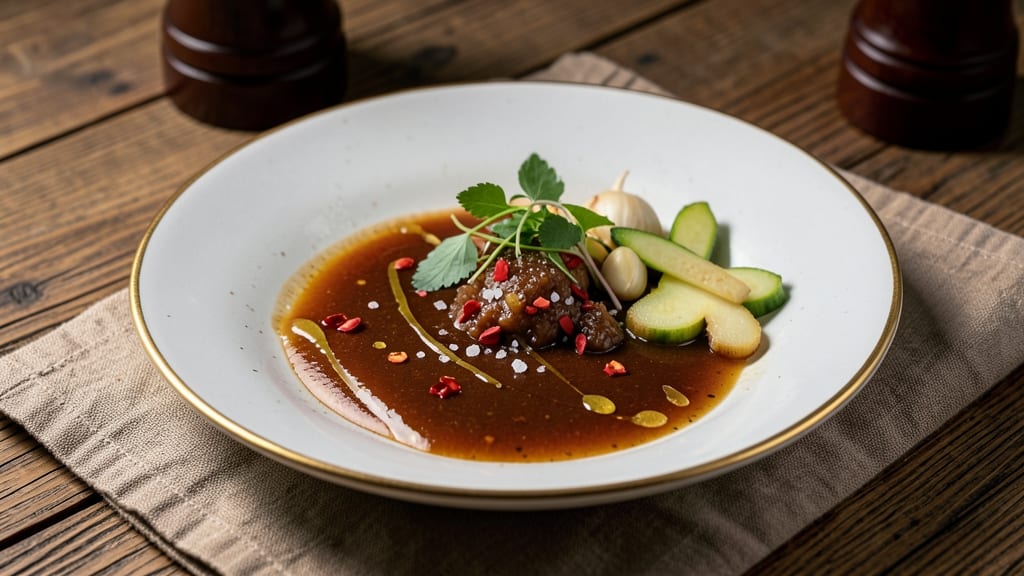
This all sauce recipe transforms everyday meals into restaurant-quality creations with just five simple ingredients. The perfect balance of sweet, salty, and tangy flavors makes it ideal for grilling, drizzling, or dipping—no matter the occasion.
I developed it after years of testing sauces that could handle everything from marinades to finishing touches, and it never fails to elevate dishes.
The foundation is a classic combination of soy sauce, vinegar, and sugar, which creates a versatile base that absorbs flavors beautifully. Adding minced garlic, ginger, and a touch of chili transforms it into a multi-purpose sauce that works as a marinade, glaze, or dipping sauce.
The consistency is thick enough to cling to foods but still smooth enough to drizzle effortlessly.
What sets this sauce apart is its adaptability—use it as a marinade for meats, a glaze for roasted vegetables, or a dipping sauce for spring rolls. The flavors deepen over time, making it even more flavorful when stored properly.
With just a few minutes of prep, you’ll have a sauce that turns simple ingredients into extraordinary meals.
Perfect for weeknight dinners, BBQs, or Asian-inspired dishes, this all sauce delivers bold flavor without the complexity. Store it in the fridge for up to two weeks, or freeze for longer shelf life. Let’s get cooking!
Ingredients for all sauce
Five ingredients create a restaurant-quality sauce perfect for grilling, drizzling, or dipping.
| Ingredient | Amount | Notes |
|---|---|---|
| Kosher Soy Sauce 🥢 | ½ cup | High-quality, low-sodium preferred |
| Rice Vinegar 🍶 | ¼ cup | Seasoned or unseasoned works |
| Granulated Sugar 🍚 | ¼ cup | Light or dark brown for depth |
| Fresh Garlic Cloves 🧄 | 6 cloves | Minced finely for smooth texture |
| Fresh Ginger Root 🌿 | 2 tbsp | Grated, not powdered |
| Red Chili Flakes 🌶️ | 1 tbsp | Adjust for heat preference |
| Sesame Oil 🫒 | 1 tbsp | Toasted for nutty aroma |
| Cornstarch 🌾 | 1 tbsp | For thickening consistency |
| Diamond Crystal Kosher Salt 🧂 | ½ tsp | For seasoning balance |
The soy sauce is the flavor foundation—opt for Kikkoman or La Choy for reliable quality. Fresh ginger and garlic elevate this beyond basic marinades; buy organic ginger root for maximum zing. The vinegar should be seasoned rice vinegar for subtle sweetness, but unseasoned works too. Chili flakes can be swapped for gochugaru for a smokier profile, or skip entirely for mild versions. Sesame oil adds depth, so choose toasted sesame oil over regular for authentic flavor. Store-bought soy sauces vary in saltiness—taste and adjust seasoning as needed.
No sesame oil? Avocado oil at half the amount works in a pinch, though flavor will differ. Short on cornstarch? Arrowroot powder thickens just as well. The sugar can be swapped for honey or agave, but sugar dissolves more evenly. For a deeper umami punch, add 1 tbsp fish sauce (omit for vegetarian). The sauce thickens as it cools, so adjust consistency with water or vinegar as needed. Fresh ginger and garlic can be substituted with powdered versions at half the amount, though texture suffers.
This sauce improves with time—flavors meld beautifully over 24-48 hours. Store in an airtight container in the fridge for up to 2 weeks, or freeze for 6 months. For longer shelf life, reduce the sauce by half before storing. The cornstarch helps it reheat smoothly, so avoid over-thickening. Use within 3 days of opening frozen portions for peak flavor. A splash of vinegar revives stale sauce—just enough to loosen the consistency.
Why You'll Love This Recipe
- Five-Ingredient Magic: I swear by this combo—just heat, stir, and boom. No blenders, no strainers, no fancy gadgets. The ginger and garlic hit the pan in minutes, then simmer while you chop veggies or boil noodles. Honestly, it’s the kind of sauce that makes me feel like a chef without the fuss.
- Umami Bomb: That first splash of soy into the vinegar? Chef’s kiss. The sugar cuts the tang, but the garlic and ginger make it sing—bright, deep, and just a little addictive. It’s the kind of flavor that turns plain rice or stir-fried greens into something you’ll beg for seconds of.
- Weeknight Swiss Army: This sauce is my secret weapon for takeout nights, lazy breakfasts, or when I need to jazz up last night’s leftovers. Drizzle it over eggs, toss it with cold noodles, or use it as a dipping sauce for dumplings. Between us, it’s the reason I don’t order takeout as often.
- Budget Stretch: A little goes a long way—this batch lasts me all week, and I’m not even exaggerating. The pantry staples (soy, vinegar, sugar) are cheap, and fresh ginger/garlic bulk up the flavor without breaking the bank. Plus, it freezes like a dream, so I make a double batch and thank myself later.
Step-by-step instructions for all sauce recipe
Master this adaptable glaze that transforms grilled meats, roasted vegetables, and stir-fries with equal brilliance.
Prepare the Aromatic Base
In a medium saucepan, combine the 0.5 cup kosher soy sauce, 0.25 cup rice vinegar, and 0.25 cup granulated sugar. Bring to a simmer over medium-high heat, stirring constantly until the sugar fully dissolves—this should take about 3-4 minutes. The mixture will begin to bubble gently, creating a fragrant foundation.
This initial blend balances the umami depth of the soy sauce with the bright acidity of rice vinegar. The sugar not only sweetens but also helps develop a glossy finish. Watch closely for the first signs of bubbling—this indicates the liquid has reached the proper temperature to incorporate the remaining ingredients without scorching.
Incorporate Fresh Aromatics and Chili
Reduce heat to medium-low and add the 6 cloves minced fresh garlic cloves, 2 tablespoons grated fresh ginger root, and 1 tablespoon red chili flakes. Stir continuously for 2-3 minutes until the garlic becomes fragrant and the ginger softens slightly. The sauce should smell vibrant with a mix of pungent garlic, zesty ginger, and subtle heat from the chili.
This step is where the sauce develops its signature complexity. The garlic should never brown—if it starts to darken, reduce heat immediately. The ginger should break down just enough to release its essential oils without turning mushy. The chili flakes will infuse heat gradually, so don't rush this process.
Add Sesame Oil and Thicken the Sauce
Remove the saucepan from heat and stir in the 1 tablespoon sesame oil. This step should be done off the stove to preserve the oil's delicate nutty aroma. Return the pan to low heat and sprinkle in the 1 tablespoon cornstarch, whisking vigorously to eliminate any lumps. Cook for an additional 1-2 minutes until the sauce thickens to a glossy, syrupy consistency that coats the back of a spoon.
The cornstarch acts as a natural thickener, transforming the sauce from a thin glaze to a rich, coatable consistency. If the sauce thickens too quickly, add 1-2 tablespoons water to adjust the texture. The sesame oil adds a final layer of complexity—its toasty notes complement the savory-sweet base perfectly.
Season and Adjust to Perfection
Return the sauce to low heat and add the 0.5 teaspoon diamond crystal kosher salt, stirring until fully dissolved. Taste and make final adjustments: add a pinch more salt if needed, or a splash of rice vinegar for brightness. The sauce should balance sweet, salty, tangy, and umami flavors with a subtle heat from the chili.
This is the moment to trust your palate. The sauce should coat the tongue with a velvety texture and leave a lingering harmony of flavors. If it's too sweet, add a bit more rice vinegar. If it needs more depth, a splash of soy sauce works. The goal is a sauce that enhances, not overpowers, whatever it accompanies.
Pro Tips For Making All Sauce
- STIR CONSTANTLY LOW HEAT: I learned this the hard way—when you simmer this sauce, keep the heat so low it’s barely bubbling. Walk away if you have to, but if you let it boil even once, the rice vinegar will turn harsh and the sugar will clump like glue. Think "gentle whisper" not "loud shout."
- PEEL GINGER IN STRIPS: Skip the grated ginger unless you want a mushy, watery sauce. Instead, peel the root and slice it into thin matchsticks—about 1/8-inch thick. They’ll infuse flavor without turning the sauce into soup, and you can fish them out whole when done.
- USE COLD SOY SAUCE: Reach for the unopened bottle straight from the fridge, not the one sitting on your counter. Cold kosher soy sauce has a cleaner, brighter acidity that balances the sweetness better. If you’re using a warm bottle, chill it for 10 minutes first—trust me, it makes a real difference.
- SWAP SUGAR FOR HONEY: I skip this when I’m lazy, but the dish is noticeably better when I don’t—swap half the granulated sugar for honey (about 1:1 ratio). It caramelizes faster, adds depth, and cuts through the saltiness of the soy sauce without making the sauce cloying. Just reduce the vinegar by a teaspoon to keep the balance.
Wine and beer pairings for this dish
Red Wine Pairings
For this versatile sauce, I reach for a dry red wine with enough acidity to stand up to its sweet-savory profile. A Pinot Noir from Oregon or Burgundy works beautifully—the bright cherry notes complement the sauce's umami depth while its crisp acidity cuts through the richness.
The wine's natural fruitiness mirrors the sauce's subtle sweetness, creating harmony without overpowering. 🍷
If you prefer something bolder, try a Syrah from the Rhône Valley. The peppery, smoky characteristics in Syrah enhance the chili flakes in the sauce, adding an extra layer of complexity.
Both wines should be served slightly chilled (55-60°F) to refresh the palate between bites of grilled dishes or spring rolls.
White Wine Options
For lighter pairings, a dry Riesling from Germany or Washington State brings vibrant acidity and citrus notes that balance the sauce's sweetness. The wine's mineral finish cleanses the palate, making it perfect for dipping or drizzling applications.
Look for a Kabinett-level Riesling—its subtle fruitiness won't compete with the sauce's bold flavors.
Alternatively, a Sauvignon Blanc from New Zealand or Loire Valley offers herbal notes that echo the fresh ginger and garlic in the sauce. The wine's zesty finish makes it ideal for seafood dishes where the sauce is used as a glaze or dipping sauce.
Serve at 45-50°F to enhance its refreshing qualities.
Beer Pairings
For beer lovers, a light lager like Peroni or Asahi Super Dry provides the perfect crisp, clean backdrop. The subtle malt sweetness in these beers complements the sauce's caramelized notes without overpowering them.
The high carbonation also helps cut through the sauce's richness, making it ideal for grilled meats or fried appetizers. 🍺
If you prefer something with a bit more character, try a Belgian Witbier like Hoegaarden. The coriander and orange peel notes in these beers mirror the ginger and citrus in the sauce, creating a delightful flavor bridge.
The slight tartness in the beer balances the sauce's sweetness beautifully, especially when paired with spring rolls or dumplings.
Craft Beer Experiment
For a more adventurous pairing, consider a slightly sour IPA with a touch of lactose sweetness. Brands like The Bruery's experimental beers or Allagash White offer unique profiles that can stand up to the sauce's complexity.
The beer's effervescence helps cleanse the palate between bites, while its subtle sweetness enhances the sauce's caramelized depth.
If you're using the sauce as a marinade for meats, pair it with a dark ale like Guinness or Samuel Smith's Nut Brown Ale. The malty sweetness and roasted notes in these beers complement the sauce's umami richness, especially when grilling hearty cuts like pork or beef.
The beer's body also stands up well to the sauce's thickness, making for a satisfying combination.
Nutrition facts
Frequently asked questions
Can I make this sauce without cornstarch?
Yes! Swap the cornstarch for 1 tablespoon arrowroot powder or 1 teaspoon xanthan gum for a similar thickening effect. For a thinner consistency, simply omit it—just know the sauce will be more watery. If you prefer no thickener, reduce the other liquids slightly (1-2 tablespoons less vinegar) to maintain balance.
How can I adjust the heat level in this sauce?
For milder heat, reduce the chili flakes to ½ teaspoon or swap them for ½ teaspoon smoked paprika. For extra spice, add ½ teaspoon cayenne pepper or a finely minced fresh chili like serrano. Always taste as you go—heat builds gradually!
Is this sauce gluten-free?
Only if you use a gluten-free soy sauce substitute like tamari. Regular soy sauce contains gluten from wheat, so check the label. All other ingredients (vinegar, sugar, spices) are naturally gluten-free. For a fully gluten-free version, replace soy sauce with coconut aminos (though flavor will differ slightly).
Can I use this sauce as a marinade?
This sauce marinates beautifully for 30 minutes to 4 hours (never longer than 6 hours). For tough cuts like pork or chicken, marinate 2-4 hours for tender, flavorful results. Reserve ¼ cup marinade for basting—don't use it directly on cooked meat to avoid bacteria risks.
Why did my sauce turn cloudy or separate?
Cloudiness often happens when sugar doesn't fully dissolve or if the sauce cools too quickly. To fix it, reheat gently while stirring until smooth. Separation can occur if cornstarch lumps form—whisk vigorously with cold water first before adding. For future batches, simmer the soy-vinegar-sugar base longer (5 minutes) to ensure complete integration.