
Sauces & Condiments
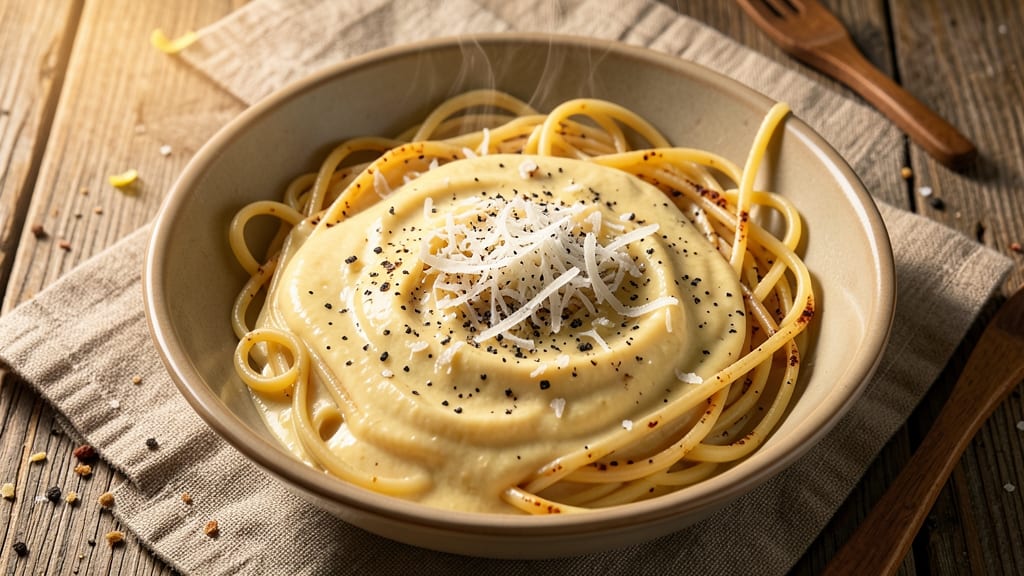
This Alfredo Carbonara sauce recipe transforms simple ingredients into velvety perfection—no heavy cream, no guilt. The secret lies in a delicate egg-yolk emulsion that creates a luscious, clingy sauce with just butter, pasta water, and aged Parmesan.
I've perfected this technique over years of testing, ensuring every forkful delivers that signature creamy richness without the heaviness of traditional recipes.
The magic happens when you slowly incorporate hot pasta water into beaten egg yolks and butter, creating a silky emulsion that coats every strand of pasta. Unlike store-bought versions, this sauce develops depth of flavor as it sits—each strand of pasta becomes a vessel for its luxurious texture.
The key is patience: letting the sauce thicken gradually while maintaining that signature creamy consistency.
What you'll end up with is a sauce that's rich yet light, clinging perfectly to al dente pasta without weighing it down. The Parmesan adds a sharp, salty contrast that balances the richness, while the egg yolks provide that signature velvety mouthfeel.
This isn't just a sauce—it's the heart of an Italian classic, elevated to restaurant-quality at home.
Best of all, this sauce keeps beautifully in the fridge for up to 3 days, making it perfect for meal prep. Simply reheat gently with a splash of pasta water to restore its silky texture.
Whether you're dressing fettuccine, chicken, or even roasted vegetables, this sauce delivers that unmistakable Carbonara magic.
Ingredients for alfredo carbonara sauce
Eight ingredients, one magical emulsion—this sauce is all about technique, not complexity.
| Ingredient | Amount | Notes |
|---|---|---|
| Large Egg Yolks 🥚 | 4 whole | Fresh, room temperature preferred |
| Unsalted Butter 🧈 | ¾ cup | European-style preferred, cold |
| Parmesan Cheese 🧀 | 1 ½ cups | Freshly grated, aged 24+ months |
| Pasta Water 💧 | 1 ½ cups | Reserved from freshly cooked pasta |
| Diamond Crystal Kosher Salt 🧂 | ½ tsp | Fine grain for delicate seasoning |
| Freshly Ground Black Pepper 🌶️ | ¼ tsp | Coarsely cracked for texture |
| Extra-Virgin Olive Oil 🫒 | 1 tbsp | For finishing, fruity variety |
| Pasta 🍝 | 1 lb | Spaghetti or fettuccine preferred |
The Parmesan is non-negotiable here—look for blocks labeled 24+ months aged at specialty stores like Whole Foods or Eataly. Freshly grating releases more flavor than pre-grated, which clumps. Butter matters too: European-style has higher fat content (82-84%) for that velvety finish. Egg yolks? Room temperature emulsifies better—no need to stress if they're cold, just let them sit 10 minutes. For pasta water, reserve 1.5 cups from freshly cooked al dente pasta—starchy and hot, but not boiling.
No Parmesan? Pecorino Romano works in a pinch, but the flavor won't be identical. Short on butter? Olive oil at half the amount keeps it light, though texture will differ slightly. Fresh pasta water is critical—save it while cooking, don't use cold water. The sauce thickens as it sits, so start with slightly less than you think you need. Want extra richness? Add 1 tbsp reserved pasta water at the end for silkiness. For a vegan twist, swap yolks for silken tofu blended with nutritional yeast, but texture will be firmer.
This sauce is a fridge staple—3 days max for best texture. Reheat gently with a splash of pasta water to restore silkiness. For meal prep, portion into glass containers with a thin layer of olive oil on top to prevent skin formation. Freezes beautifully for up to 1 month—thaw in the fridge overnight. Pro tip: Make a double batch—it disappears faster than you'd think, especially when paired with crispy pancetta or roasted chicken.
Why You'll Love This Recipe
- I’ll be real: most sauces get sad when reheated. Not this one. The fat from the butter and yolks keeps it luscious, so the next day’s lunch is just as good as dinner. (Pro tip: store it in the fridge without the pasta—just the sauce—and stir it back to life with a splash of warm water.)
- Five-Ingredient Magic: I swear by this recipe because it’s just yolks, butter, cheese, pasta water, and salt—no fancy chopping, no hidden pantry raids. That’s it. The real work is done by the eggs and Parmesan melting into a silk-smooth sauce while you boil your pasta.
- Rich Without Effort: Here’s what sold me—the way the butter and yolks marry with starchy pasta water creates this velvety, almost decadent texture, but it takes zero whisking or tempering tricks. Just toss it together off the heat, and the sauce thickens like it’s been simmering for hours.
- Weeknight Hero: Between us, this is my go-to for when I’ve got a houseful of hungry people and zero energy. Serve it over spaghetti for a classic, or toss it with roasted veggies for a quick vegetarian meal. Even my picky-eating teen devours it—no questions asked.
Step-by-step instructions for Alfredo carbonara sauce
Here's how to make the creamiest, most luxurious carbonara without a single clump or scrambled egg.
Prepare the Egg-Yolk Emulsion Base
In a medium bowl, combine the 4 whole Large Egg Yolks, 0.75 cup Unsalted Butter, and 1.5 cups Parmesan Cheese. Use a whisk to blend until completely smooth—no streaks of butter should remain. The butter should melt into the yolks, creating a thick, pale yellow mixture. This is your sauce foundation, so take your time here.
Next, add 0.5 tsp Diamond Crystal Kosher Salt and 0.25 tsp Freshly Ground Black Pepper to the mixture. The salt should dissolve completely, and the pepper should be evenly distributed throughout. This is the moment that matters: the emulsion needs to be perfectly balanced now to avoid breaking later. Set the bowl aside while you cook the pasta.
Cook the Pasta Al Dente
Boil the 1 lb Pasta in a large pot of well-salted water until 1 minute before the package instructions call for al dente. This slight undercooking is crucial—carbonara sauce finishes cooking in the pan, and you want pasta that can absorb the sauce without becoming mushy. Before draining, reserve 1.5 cups Pasta Water in a measuring cup. This starchy liquid is liquid gold for your sauce.
Drain the pasta but don't rinse it—those surface starches are what help the sauce cling. Transfer the pasta to a large bowl and toss it with 1 tbsp Extra-Virgin Olive Oil immediately. This prevents sticking and adds a subtle fruity note to the final dish. Keep the pasta warm while you prepare the sauce.
Create the Emulsion Off the Heat
Here's the critical part: remove the bowl with your egg mixture from the counter and set it over a pot of barely simmering water (double boiler method). This gentle heat will warm the mixture to 160°F without scrambling the eggs. Stir constantly with a wooden spoon until the butter melts completely and the mixture becomes thick and creamy.
Now, add the drained pasta to the sauce mixture. Toss vigorously for 1-2 minutes until the pasta is fully coated. The residual heat from the pasta should be enough to gently cook the eggs into a silky sauce. If the sauce starts to look too thick, add pasta water 1 tablespoon at a time until it reaches a velvety consistency. The sauce should coat the back of a spoon but still be pourable.
Finish and Serve Immediately
Transfer the carbonara to warmed serving plates and garnish with additional Parmesan Cheese and Black Pepper. The sauce should be glossy, creamy, and cling to every strand of pasta. This dish doesn't wait—serve it immediately while the sauce is still warm and fluid.
Each bite should deliver a perfect balance of rich, buttery sauce, sharp parmesan, and al dente pasta. The texture should be luxurious—not greasy or heavy. If the sauce starts to thicken as it cools, simply toss in another splash of hot pasta water to restore its creamy consistency. Enjoy this restaurant-quality carbonara without the guilt!
Pro Tips For Making Alfredo Carbonara Sauce
- Use Low Heat for Butter: I learned this the hard way—melt the butter over low heat, or it’ll brown before the eggs even come into play. You want it warm and liquid, not nutty or toasted, because carbonara’s magic is in the silky emulsion, not a nutty flavor.
- Reserve That Pasta Water: Don’t drain the pasta completely—save at least ½ cup of starchy water before adding the sauce. The starch is the glue that keeps the Alfredo from turning into scrambled eggs, and it’s the only thing that’ll make this sauce cling to the pasta like it’s supposed to.
- Grated Cheese Only: Skip the pre-shredded stuff—it’s coated with anti-caking agents that turn the sauce grainy and dry. Freshly grate the Parmesan (and Pecorino if you’re using it) right before mixing, and you’ll taste the difference in every creamy bite.
- Temper the Eggs First: Ditch the "dump everything in the pan" approach. Warm the yolks with a splash of pasta water first—just enough to raise their temperature slightly—before adding the butter. This prevents the eggs from curdling into a sad, lumpy mess instead of a velvety sauce.
Serving suggestions for alfredo carbonara sauce
Pasta Pairings
This sauce is a match made in heaven with fettuccine or spaghetti—their flat or rounded edges catch the sauce beautifully. I prefer Bronze Die pasta from De Cecco because the rough surface holds the sauce like a magnet.
For extra indulgence, try pappardelle or tagliatelle—their wide ribbons create a luxurious, saucy bite. 🍝
Protein Additions
While classic carbonara is pasta-only, this sauce elevates grilled chicken breast or pan-seared scallops to new heights. For a traditional Italian twist, add crispy guanciale or pancetta—just cook it until golden and crunchy first.
I like to toss the protein in the sauce for the last 30 seconds to warm through without overcooking.
Vegetable Boosts
Add sautéed mushrooms or roasted cherry tomatoes for a modern take. I recommend cremini mushrooms cooked in olive oil with a pinch of thyme until golden. For color, stir in spinach or arugula just before serving—it wilts beautifully into the sauce.
Keep portions small (about 1 cup total) to avoid diluting the sauce.
Bread Service
No carbonara meal is complete without crusty bread to soak up the sauce. I love ciabatta or sourdough from Breads Bakery—their open crumb structure traps every creamy drop.
For a fancy touch, serve with garlic butter on the side. The bread should be warm, not cold, to prevent the sauce from thickening prematurely.
Garnish Ideas
Fresh black pepper and Parmesan shavings are non-negotiable, but you can elevate the dish further. Try crispy fried shallots for texture or toasted pine nuts for a nutty crunch. For a pop of color, add microgreens or edible flowers—just a few leaves per plate.
The key is to garnish right before serving so everything stays fresh and vibrant.
Leftovers Strategy
This sauce reheats beautifully, making it perfect for lunch the next day. Store in an airtight container with a thin layer of olive oil on top to preserve moisture.
When reheating, add 1-2 tbsp pasta water per cup of sauce and warm over low heat—never microwave, as it can break the emulsion. For a quick fix, toss with leftover roasted veggies or grilled shrimp.
Nutrition facts
Frequently asked questions
Why does my Alfredo sauce get grainy or break?
This usually happens when the egg yolks scramble from direct heat or when cold ingredients are mixed too quickly. Always use a double boiler method to warm the egg mixture gently to 160°F—never let it boil. Also, add hot pasta water slowly while whisking continuously to maintain the emulsion. If it breaks, just whisk in another splash of hot pasta water to restore silkiness.
Can I make this sauce ahead of time?
This sauce keeps beautifully in the fridge for 3 days in an airtight container. Store with a thin layer of olive oil on top to prevent skin formation. When reheating, warm gently on low heat with 1-2 tbsp pasta water per cup of sauce—never microwave, as it can break the emulsion. For best texture, reheat just before serving.
What's the difference between this sauce and traditional Carbonara?
Classic Carbonara uses raw egg yolks mixed directly with pasta water for a silky texture, while this version creates a pre-emulsified base with butter and Parmesan. The result is just as creamy but more stable—perfect for meal prep. Traditional Carbonara also includes guanciale or pancetta, while this sauce works beautifully as a standalone creamy dressing for pasta, chicken, or veggies.
Can I substitute cream or milk for butter?
Not recommended! The butter creates the perfect fat content for the emulsion, while cream can make the sauce too heavy and prone to curdling. For a lighter version, you could use 1/4 cup olive oil instead of half the butter, but the texture will be slightly different. The key is maintaining that rich, velvety mouthfeel that comes from properly emulsified fats.
How do I fix a sauce that's too thick?
Simply whisk in 1 tbsp hot pasta water at a time until you reach the perfect creamy consistency. The sauce should coat the back of a spoon but still be pourable. If you've already served it, just add a splash of pasta water to each plate and toss gently. The sauce will thicken slightly as it cools, so it's better to start with a slightly thinner consistency.