
Sauces & Condiments
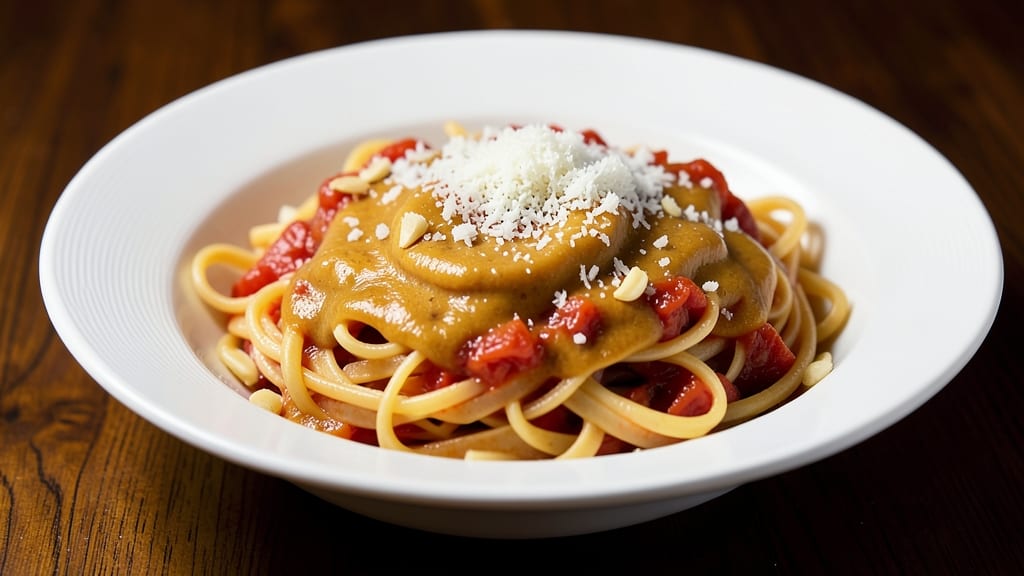
This alfredo and red sauce recipe transforms ordinary pasta into a restaurant-worthy masterpiece by layering creamy richness with vibrant tomato depth. The secret lies in balancing two distinct sauces—one velvety and cheesy, the other bright and tangy—while keeping the technique simple enough for weeknight dinners.
I developed this dish after craving a pasta that felt indulgent yet balanced, and it never fails to impress.
What sets this recipe apart is the dual-sauce approach: a classic alfredo base (made with butter, cream, and parmesan) gets elevated by a quick tomato sauce infused with garlic and herbs.
Cooking the pasta al dente ensures it holds up to the sauces without turning mushy, while the final toss creates a harmonious blend of textures and flavors. The result is a dish that’s creamy yet bright, rich yet fresh—perfect for feeding a crowd or treating yourself.
The best part? This recipe scales effortlessly. Double the sauce for leftovers, or adjust the ratio to your preference—more alfredo for extra creaminess, or extra red sauce for a bolder tomato kick.
Serve with garlic bread to soak up every last bite, or pair it with a simple arugula salad to cut through the richness. It’s the kind of pasta dish that makes you feel like you’ve spent hours in the kitchen, even though it comes together in under 45 minutes.
Whether you’re hosting dinner guests or just craving comfort food, this dual-sauce pasta delivers restaurant-quality results without the fuss. The creamy alfredo melts into the noodles, while the red sauce adds a pop of acidity and color, creating a visual and flavorful showstopper. Let’s get cooking!
Ingredients for alfredo and red sauce
Pantry staples plus a few fresh ingredients for restaurant-quality pasta in under 45 minutes.
| Ingredient | Amount | Notes |
|---|---|---|
| Fettuccine Pasta 🍝 | 12 oz | Dried, al dente preferred |
| Unsalted Butter 🧈 | ¾ cup | Cold, cut into pieces |
| Heavy Cream 🥛 | 1 cup | Full-fat for richness |
| Parmesan Cheese 🧀 | 1 ½ cups | Freshly grated from block |
| Garlic Cloves 🧄 | 4 cloves | Minced for both sauces |
| Canned Crushed Tomatoes 🍅 | 15 oz | San Marzano preferred |
| Tomato Paste 🍅 | 2 tbsp | Smooth, no sugar added |
| Dried Basil 🌿 | 1 tbsp | Or 0.25 cup fresh |
| Dried Oregano 🍃 | 1 tsp | Italian preferred |
| Red Pepper Flakes 🌶️ | ½ tsp | Adjust for heat |
| Sea Salt 🧂 | 2 tsp | Kosher or fine grain |
| Freshly Ground Black Pepper 🌶️ | ½ tsp | Freshly cracked |
| Olive Oil 🫒 | 2 tbsp | For finishing |
The Parmesan and butter are non-negotiable for that creamy alfredo you crave. Grab a wedge of Parmigiano-Reggiano from the deli counter—pre-grated gets clumpy and lacks flavor. For butter, Land O'Lakes or Plugrá work perfectly, but any unsalted brand will do. The crushed tomatoes? San Marzano cans from Trader Joe's or Whole Foods make all the difference—they're sweeter and less acidic. Fresh basil is ideal, but dried works in a pinch (just use one-third the amount). Look for Italian oregano if you're feeling fancy, but regular dried works too.
No heavy cream? Full-fat coconut milk works surprisingly well, though it'll taste slightly different. Short on Parmesan? Pecorino Romano has a sharper bite that balances the richness. The tomato paste can be skipped if you're not a fan, but it adds depth—no-sugar-added versions are best. For the garlic, I always buy whole bulbs and mince them fresh. Trader Joe's sells pre-minced in jars, but it's not worth it here. If you're making this ahead, the sauces can be prepped separately and stored in the fridge for up to 3 days.
Pasta keeps best in an airtight container for 3-4 days if you're not using it all at once. The sauces? Alfredo freezes beautifully for 3 months—just thaw and reheat gently. The red sauce can be frozen too, but it's better fresh. I always make extra sauce because it disappears fast. Store the Parmesan wedge wrapped in parchment and foil—it'll last weeks in the fridge. Fresh basil? Wrap it in damp paper towels and store in a bag for 5-6 days. Trust me, the extra effort is worth it.
Why You'll Love This Recipe
- Two Sauces, Zero Stress: I swear, this is the only pasta I make when I’m too tired to think. Simmer garlic in butter, add a splash of red sauce, then fold in heavy cream and Parmesan—no fancy techniques, just layers of flavor in one pot. My kids don’t even notice when I skip the fancy plating.
- Umami Bomb Combo: The red sauce brings that deep, tangy punch while the Alfredo keeps it rich and velvety. Between us, the garlic-to-butter ratio is where the magic happens—crispy edges on the cloves, then melting into that creamy sauce. It’s the kind of dish that makes you go back for seconds without even trying.
- Weeknight Crowd-Pleaser: I’ve served this to date nights, family dinners, and even my book club—no one ever asks what’s in it, they just ask for more. The fettuccine soaks up both sauces perfectly, and honestly? It’s the only pasta I don’t feel guilty about making when friends drop by unannounced.
- Leftovers That Don’t Suck: Most pasta gets sad the next day, but this? It’s even better reheated. Toss cold leftovers with a little extra Parmesan and butter, and it’s like a creamy, garlicky hug. Plus, the ingredients are cheap—heavy cream and Parmesan stretch far, so I’m always stocking up. My freezer’s full of backup portions, just in case.
Step-by-step instructions for dual-sauce pasta
Here's how to balance rich Alfredo and vibrant tomato sauce in one perfect dish.
Cook the Fettuccine Pasta to Al Dente Perfection
Bring a large pot of water to a rolling boil and add 2 tablespoons sea salt. Once boiling, add the 12 oz fettuccine pasta and cook according to package instructions, but remove it 1 minute early—it'll finish cooking in the sauce. You want it al dente, with a slight bite in the center.
While the pasta cooks, I like to reserve 1 cup of pasta water before draining. This starchy liquid is your secret weapon for adjusting sauce consistency later. Drain the pasta and set it aside, covered with a kitchen towel to keep it warm.
Prepare the Tomato Sauce Base
In a large skillet, heat 2 tablespoons olive oil over medium heat. Add the 4 cloves minced garlic cloves and sauté for 30 seconds until fragrant—don't let it brown or it'll turn bitter. Stir in the 2 tablespoons tomato paste and cook for another 1 minute to develop its flavor.
Pour in the 15 oz canned crushed tomatoes, 1 tablespoon dried basil, 1 teaspoon dried oregano, 0.5 teaspoon red pepper flakes, 1 teaspoon sea salt, and 0.25 teaspoon freshly ground black pepper. Bring to a gentle simmer and let it cook uncovered for 10 minutes, stirring occasionally, until slightly thickened. You want the sauce to coat the back of a spoon without being too chunky.
Create the Creamy Alfredo Sauce
In a separate saucepan, melt the 0.75 cup unsalted butter over medium-low heat. Once melted, add the 1 cup heavy cream and bring to a gentle simmer. Let it cook for 3-4 minutes until slightly thickened but not curdled. This is your base for the creamy sauce.
Gradually whisk in the 1.5 cups freshly grated parmesan cheese until fully melted and smooth. The sauce should be velvety and rich, with a glossy sheen. If it's too thick, add 1-2 tablespoons of reserved pasta water to reach your desired consistency. Keep this sauce warm over low heat while you finish the tomato sauce.
Combine Sauces and Toss with Pasta
Return the tomato sauce to a gentle simmer and let it cook for another 2-3 minutes to concentrate the flavors. Meanwhile, divide the cooked fettuccine pasta between two serving plates. Spoon half of the Alfredo sauce over each portion, then top with the tomato sauce.
Using tongs, gently toss the pasta with the sauces, coating each strand evenly. If the sauce seems too thick, add a splash of the reserved pasta water to loosen it. The key here is to create a beautiful marbled effect with the creamy and tomato layers.
Finish with Fresh Herbs and Serve Immediately
Drizzle each serving with the remaining 1 tablespoon olive oil and sprinkle with additional freshly grated parmesan cheese and a pinch of freshly ground black pepper. The oil adds a final touch of richness, while the pepper brightens up the flavors.
Serve the pasta immediately while the sauces are still warm and glossy. Each bite should deliver a perfect balance of creamy Alfredo and tangy tomato sauce, with al dente pasta tying it all together. This dish is all about the contrast—creamy meets bold, rich meets bright, and every forkful should be a perfect harmony.
Pro Tips For Making Alfredo And Red Sauce
- Cook garlic low and slow: I learned this the hard way—crispy garlic bits in Alfredo scream "burnt," not "gourmet." Mince those cloves fine, then cook them in butter over low heat until fragrant but not golden (think 3-4 minutes max). If you’re adding them to the red sauce later, pull them out before the sauce thickens—overcooked garlic turns bitter, and nobody wants that.
- Bloom the cheese properly: Skip the "dump and stir" approach. For both sauces, melt butter first, then whisk in Parmesan before adding cream. Let it sit for 30 seconds—this blooms the cheese’s flavor so it doesn’t just sit as gritty chunks. For the red sauce, do the same: cook your tomato base until thickened, then whisk in cheese off-heat to avoid scrambling it.
- Reserve pasta water—both sauces: I used to eyeball it, and both sauces would either cling like glue or turn watery. For Alfredo, save ½ cup pasta water; for red sauce, save ¼ cup. The starch in the water helps emulsify the cream and tomato bases, giving you a silky texture without breaking the sauce. Add it sparingly—you can always add more, but you can’t un-dilute.
- Finish with cold cream: Heavy cream scalds easily, and once it curdles, you’re screwed. For the Alfredo, warm the cream just until steaming (no rolling boil), then whisk it into the butter-cheese mix off the heat. For the red sauce, stir in cold cream at the very end to cool it down fast—this keeps the sauce smooth and prevents a greasy split. (Yes, even if you’re impatient like me.)
Common mistakes when making your alfredo and red sauce
Overcooking the Pasta
One of the biggest mistakes is letting the fettuccine cook past al dente. When pasta turns mushy, it soaks up too much sauce and loses its structure. I always pull mine 1 minute early—it should have a slight bite in the center.
Overcooked pasta ruins the texture contrast that makes this dish special. 🍝
Skipping the Pasta Water
Reserving pasta water is non-negotiable for balancing these sauces. The starch in the water helps emulsify both the creamy Alfredo and tomato sauce, preventing separation. I keep 1 cup aside before draining—this is your secret weapon for adjusting consistency.
Without it, your sauce will either be too thick or too thin.
Burning the Garlic
Garlic is the flavor foundation for both sauces, but it burns quickly. Sautéing it for more than 30 seconds over medium heat turns it bitter. I like to add it to the tomato sauce first, where its flavor shines without overpowering.
For the Alfredo, just a hint of garlic in the butter is enough—subtle but impactful.
Adding Cheese Too Fast
When making the Alfredo sauce, dumping all the Parmesan at once creates lumps instead of a silky texture. I add it gradually while whisking constantly over low heat, letting each addition melt completely.
If you rush it, you'll end up with grainy bits that ruin the creamy finish. Patience here makes all the difference. 🧀
Ignoring Temperature Control
Both sauces need gentle heat—never let them boil. The Alfredo sauce can curdle if heated too aggressively, while the tomato sauce will break apart. I keep the Alfredo on low heat and the tomato sauce on medium-low, stirring frequently.
Temperature control is what keeps these sauces from turning into glue or water.
Combining Sauces Too Early
Mixing the sauces before they're fully developed ruins their individual flavors. The Alfredo needs to be smooth and the tomato sauce properly reduced. I finish each sauce separately, then combine them just before tossing with the pasta.
This way, every bite has that perfect balance of creamy and tangy without either flavor overpowering the other.
Nutrition facts
Frequently asked questions
Can I make this pasta dish with whole wheat fettuccine?
Yes, but expect a slightly denser texture. Whole wheat pasta absorbs more liquid, so you may need an extra ½ cup of pasta water when combining the sauces. Cook it 1 minute less than regular fettuccine to maintain al dente. The nuttier flavor pairs beautifully with the creamy Alfredo and bright tomato sauce!
How do I adjust the sauce ratio for more creamy or tomato flavor?
Start with equal parts of each sauce (like the recipe), then adjust to taste. For extra creaminess, add 2 tablespoons more heavy cream to the Alfredo. Want more tomato? Simmer the red sauce 5 extra minutes**> to intensify the flavor. The key is balancing both—creamy shouldn't overpower the bright acidity of the tomato.
Can I make this dish ahead of time?
Prepare the sauces separately and store them in airtight containers in the fridge for up to 3 days. Reheat the Alfredo gently over low heat, adding a splash of cream if needed. The tomato sauce can be warmed in a saucepan. Cook the pasta fresh and toss with the reheated sauces—this keeps the texture perfect. Never reheat the combined pasta, as it'll turn mushy.
What proteins or veggies work best with this pasta?
Grilled chicken or shrimp add a great protein boost—toss them in at the end to keep them tender. For veggies, sauté mushrooms or spinach in olive oil until wilted, then mix with the pasta. Roasted cherry tomatoes or fresh basil also brighten up the dish. Just add them after combining the sauces to preserve their texture.
Why did my Alfredo sauce turn grainy?
This usually happens when cheese is added too quickly or the heat is too high. Always whisk in Parmesan gradually over low heat, letting each addition melt completely. If it happens, strain the sauce through a fine-mesh sieve to remove lumps. For a smoother texture next time, use freshly grated cheese and avoid boiling the sauce.